প্রকাশের তারিখ : ২৬ অক্টোবর ২০২৬
Bangladesh, Pakistan explore stronger trade in essential commodities
||
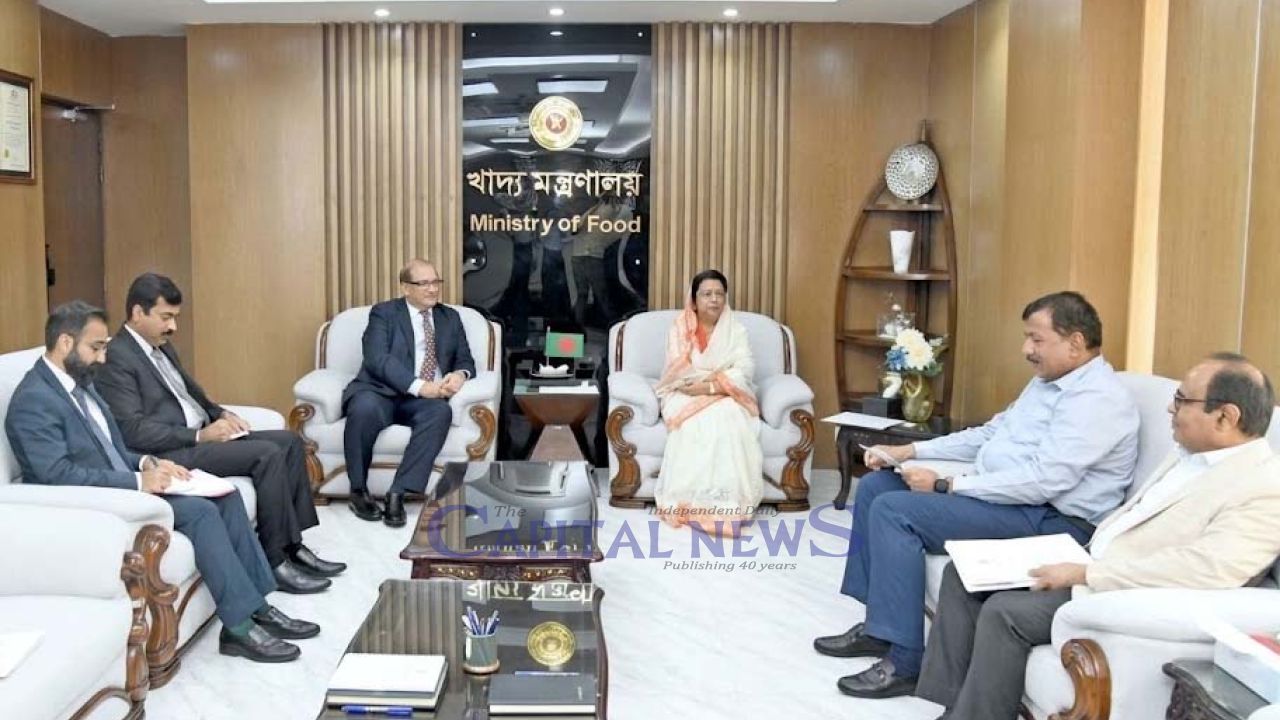
Special Correspondent: Bangladesh and Pakistan have agreed to explore opportunities to strengthen bilateral trade in essential commodities, with food security, food safety, capacity building and the timely supply of rice featuring prominently in discussions between the two countries.Pakistan High Commissioner to Bangladesh Imran Haider made the remarks during a meeting with Food Minister Afroza Khanam, MP, according to a press release issued by the Pakistan High Commission in Dhaka.The meeting comes as ensuring a stable supply of essential food items remains important for Bangladesh, where market stability, affordable prices and uninterrupted supplies are key concerns for consumers and policymakers alike.During the meeting, the Food Minister referred to the bilateral memorandum of understanding (MoU) on rice trade between Bangladesh and Pakistan. She also highlighted the importance of ensuring timely rice supplies to Bangladesh under the arrangement.The reference to the MoU underscores the significance of effective implementation of bilateral trade commitments, particularly when rice supply is involved. Timely deliveries can help importing countries manage procurement requirements and maintain the availability of essential food items.The two sides also discussed broader cooperation in food security and safety, alongside capacity building and trade in essential commodities. Their discussions reflected a shared interest in identifying areas where bilateral engagement could contribute to stronger commercial ties and improved cooperation in the food sector.For Bangladesh, diversifying sources of essential commodities can be an important consideration in managing supply risks and responding to changes in international markets. Reliable import arrangements, competitive prices and timely deliveries are particularly important for maintaining stability in domestic food markets.Pakistan, meanwhile, is a potential partner for expanding trade in agricultural and other essential goods. Stronger commercial engagement could create opportunities for both countries, provided that agreements are supported by practical arrangements for procurement, quality assurance, transportation and delivery.However, the success of such cooperation will depend on the implementation of agreed arrangements and the ability of both sides to translate discussions into concrete trade outcomes.The meeting also highlighted the importance of food safety and capacity building, suggesting that bilateral cooperation could extend beyond commodity transactions to include the exchange of expertise and improvements in relevant institutional capabilities.The High Commission's press release did not provide details of any new rice shipment, agreed supply volume, delivery schedule or financial commitment arising from the meeting.The latest engagement nevertheless signals continued diplomatic and economic efforts by Bangladesh and Pakistan to expand cooperation in areas of direct relevance to their economies and populations.As both countries explore further opportunities in essential commodities, the focus will be on ensuring that bilateral commitments produce practical benefits, including dependable supplies, improved trade relations and greater cooperation in food security.
© 2025 The Daily Capital News