প্রকাশের তারিখ : ১০ নভেম্বর ২০২৬
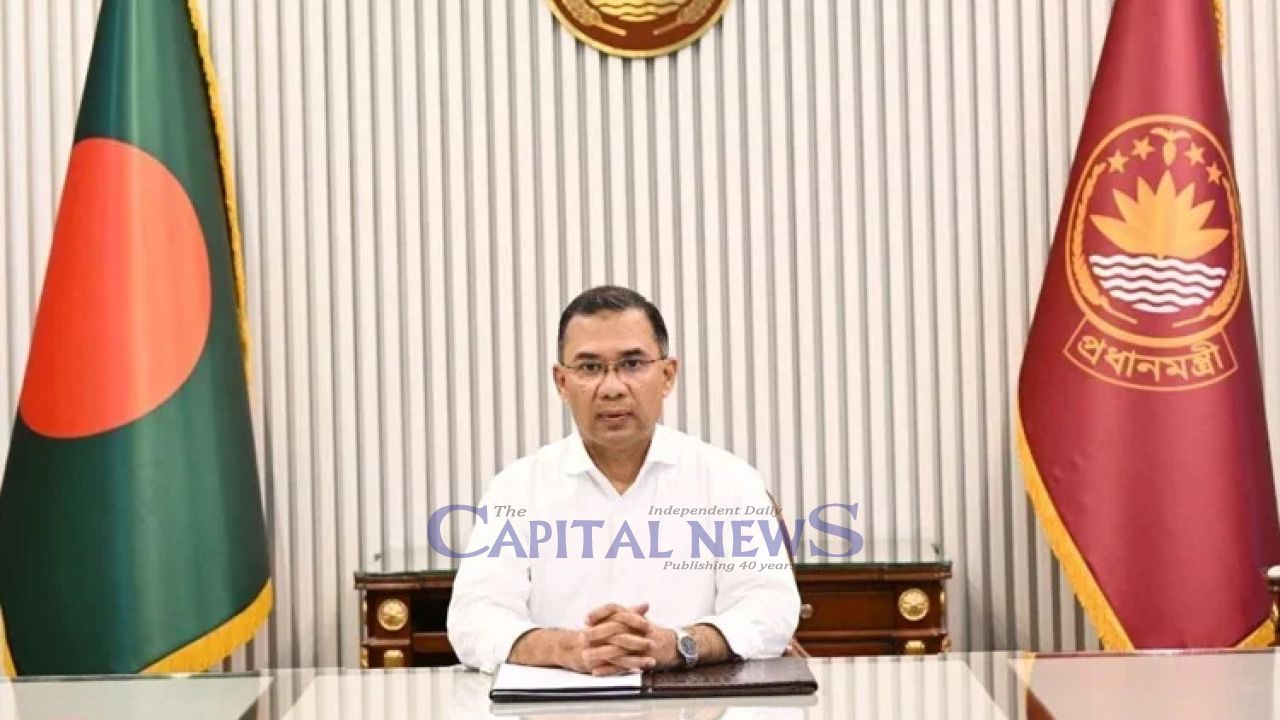
PM Tarique Rahman leaves for Türkiye today to attend COP31
||
Three-day official visit to focus on Bangladesh’s climate priorities and global cooperationMM Rahmatullah: Prime Minister Tarique Rahman is scheduled to leave Dhaka for Türkiye on Tuesday (November 10) to attend the 31st United Nations Climate Change Conference (COP31), marking an important diplomatic engagement for Bangladesh on the global climate agenda.The Prime Minister will undertake an official visit to Türkiye from November 10 to 12, according to Foreign Secretary Salahuddin Noman Chowdhury.Speaking at a press briefing at the Ministry of Foreign Affairs on Monday (November 9), the newly appointed Foreign Secretary confirmed the Prime Minister's participation in the international climate summit.Bangladesh's participation in COP31 comes at a critical time when climate change is increasingly affecting the country's economy, agriculture, food security, public health and livelihoods.The World Leaders' Summit of COP31 will take place in Antalya on November 11–12. The Prime Minister is scheduled to address a plenary session on November 12, presenting Bangladesh's position on the growing climate crisis and the need for stronger international cooperation. Bangladesh is expected to place particular emphasis on climate justice, highlighting the disproportionate impact of global warming on countries that contribute relatively little to global greenhouse gas emissions but face severe climate-related risks.The country's priorities include greater climate financing, adaptation support, accountability of major carbon-emitting countries and effective measures to address loss and damage caused by climate change.Dhaka is also expected to push for climate finance in the form of grants rather than loans, arguing that vulnerable developing countries should not be burdened with additional debt while dealing with a crisis they have contributed little to creating. Apart from the climate summit, the Prime Minister is expected to hold bilateral meetings with several international leaders to strengthen Bangladesh's diplomatic and economic relations.Possible meetings include Turkish President Recep Tayyip Erdoğan, the Australian Prime Minister, the President of Uzbekistan and the British Foreign Secretary. A meeting with the United Nations Development Programme (UNDP) Administrator is also being explored, according to the Foreign Secretary. The engagements are expected to provide opportunities to discuss bilateral cooperation, trade, investment and joint initiatives to address climate challenges.A proposed joint declaration between Bangladesh and Türkiye on the use and promotion of jute and jute products is another significant aspect of the visit. Bangladesh also plans to highlight the environmental benefits and commercial potential of jute as a biodegradable alternative to plastic-based products. The Foreign Ministry is also scheduled to organise two side events at the conference on November 12 and 13. One will focus on the gender-based vulnerabilities of women arising from climate change, while the other will explore opportunities and challenges in promoting environmentally friendly, biodegradable and zero-waste jute products. For Bangladesh, participation in COP31 is more than a routine international engagement. Climate change poses serious challenges to its agriculture, coastal communities, water resources, infrastructure, public health and overall economic development.Rising sea levels, river erosion, cyclones, floods, salinity intrusion and extreme temperatures continue to threaten millions of people and put pressure on the country's development gains.Against this backdrop, the Prime Minister's participation is expected to reinforce Bangladesh's position as a strong advocate for climate-vulnerable nations and strengthen its efforts to secure international support for climate adaptation and resilience.Türkiye is presiding over COP31, while Australia is co-chairing the formal climate negotiation process. The broader conference is scheduled to continue until November 20 in Antalya. The success of the visit will ultimately be measured not only by diplomatic engagements but also by whether Bangladesh can translate its international climate demands into concrete financial support, technological cooperation and practical benefits for its vulnerable communities.
© 2025 The Daily Capital News