প্রকাশের তারিখ : ২৯ এপ্রিল ২০২৬
Kashmir Tensions Escalate, Rekindling Calls for Global Mediation
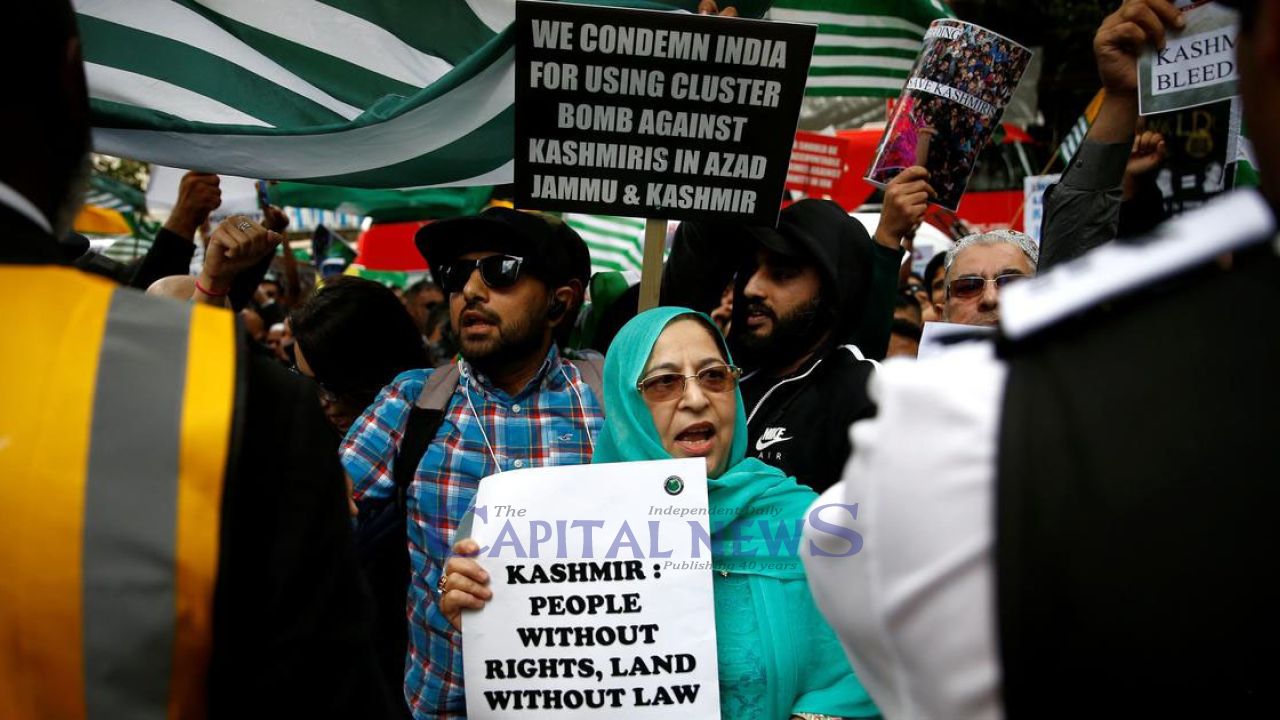
||
MM Rahmatullah: The long-standing dispute over Kashmir has вновь come into sharp
international focus, with analysts warning that recent developments have
heightened the risk of conflict between two nuclear-armed neighbors, India and
Pakistan.Political experts argue that Kashmir remains an unresolved international
issue, rooted in United Nations resolutions that call for the right of
self-determination for the Kashmiri people. They caution that continued
tensions in the region pose a serious threat to regional and global stability.The situation intensified following the April 22, 2025 incident in Pahalgam,
where 26 tourists were killed. In the aftermath, India accused Pakistan of
involvement without presenting publicly verified evidence, leading to a sharp
escalation in hostilities. Cross-border strikes and retaliatory military
actions further strained relations, raising fears of broader confrontation.At a United Nations Security Council meeting on May 5, 2025, major global
powers reportedly called for restraint, transparency, and independent
investigation into the incident. Several countries also emphasized the
importance of diplomatic engagement to prevent further escalation.Meanwhile, international organizations such as Human Rights Watch and the
Organisation of Islamic Cooperation have urged accountability and dialogue,
highlighting concerns over human rights and regional stability.Analysts have expressed concern over evolving military doctrines in the
region, particularly those emphasizing rapid conventional responses to
perceived threats. Critics warn that such approaches could increase the risk of
miscalculation and unintended escalation in a nuclearized environment.Global attention has also been drawn by mediation offers from key
international players. Donald Trump has described Kashmir as a “generational
dispute” and has offered to facilitate dialogue, while other countries,
including Iran and Saudi Arabia, have expressed willingness to support
diplomatic efforts.Despite these developments, India maintains that Kashmir is a bilateral
matter and has consistently rejected third-party mediation, a stance that
continues to draw debate at the international level.Observers note that the combination of military escalation, political
rhetoric, and nuclear capabilities has made Kashmir one of the most sensitive
flashpoints in the world. They stress that sustainable peace will depend on
renewed diplomatic engagement, adherence to international frameworks, and
restraint by all parties involved.
As tensions persist, the international community faces increasing pressure
to play a constructive role in preventing further escalation and promoting a
peaceful resolution to one of the world’s most enduring conflicts.
© 2025 The Daily Capital News