The Daily Capital News

Dhaka -Ankara ties to become closer in the coming days

Dhaka -Ankara ties to become closer in the coming days

Türkiye to welcome world leaders at COP31  in November.                   

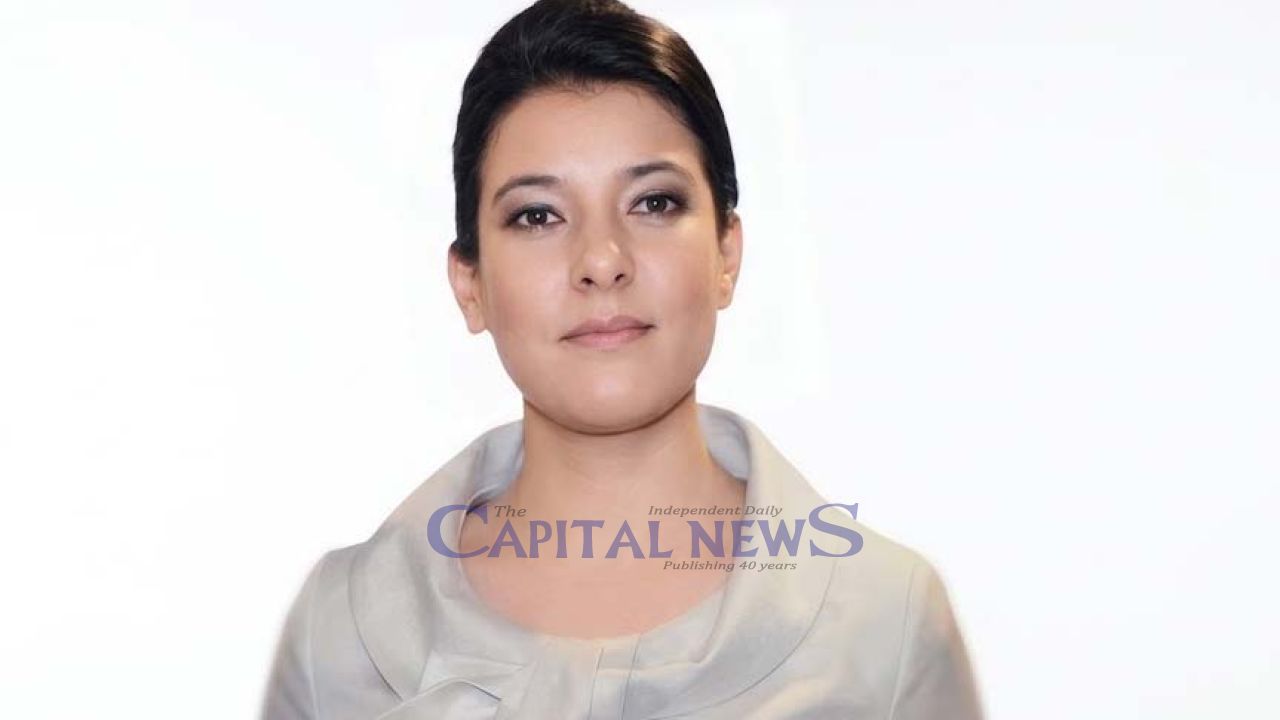
Mrs Deniz Bulkur , Bangladesh Honorary Consul in İn Konya, Türkiye, in an interview with Imtiaz Ahmed and Samia  Tabassum , said that the relations between Dhaka and Ankara will become even closer, with greater emphasis on practical cooperation that benefits both peoples in the coming days.


“Our two countries have a long history of friendship, mutual respect and cultural affinity. I believe these strong foundations will continue to guide our relations in the years ahead.”

Türkiye is making extensive preparations to welcome world leaders, government representatives, international organisations, scientists, business communities and civil society representatives as the country will host COP31 in Antalya in November…..

The rest part of the interview is given below :


1. How do you see Dhaka–Ankara relations under the new government of Bangladesh? Do you expect high-level visits in the coming days?


I am quite optimistic about the future of relations between Bangladesh and Türkiye. Our two countries have a long history of friendship, mutual respect and cultural affinity. I believe these strong foundations will continue to guide our relations in the years ahead.


Every new period brings new opportunities. I see considerable potential for expanding cooperation in trade, investment, education, tourism, agriculture, technology and industrial development.


High-level visits are always important because they create opportunities to strengthen mutual understanding and turn good intentions into concrete projects. I would certainly welcome reciprocal visits by senior officials and business delegations. However, the timing and arrangements of such visits are matters for the respective governments.


My personal expectation is that relations between Dhaka and Ankara will become even closer, with greater emphasis on practical cooperation that benefits both peoples.


2. Türkiye will host COP31 in Antalya on November 11–12 at the World Leaders' Summit. How is Türkiye preparing for this important international event?


Hosting COP31 is a great honour and an important responsibility for Türkiye. It is also an opportunity to demonstrate our commitment to international cooperation on climate change.


Türkiye is making extensive preparations to welcome world leaders, government representatives, international organisations, scientists, business communities and civil society representatives.


Antalya is an excellent choice for such an international gathering. It has a well-developed tourism infrastructure, international connectivity, quality accommodation facilities and considerable experience in hosting major international events.


I believe Türkiye will make every effort to ensure that the conference is successful, not only in terms of organisation and hospitality but also in terms of meaningful outcomes.


For Bangladesh, this conference is particularly important. Bangladesh is among the countries most vulnerable to climate change, despite contributing relatively little to global emissions.


I hope COP31 will provide an opportunity to strengthen international cooperation on climate finance, adaptation, renewable energy, water management and climate-resilient infrastructure.


Türkiye is proud to welcome the international community to Antalya, and we hope all participating countries will leave with a stronger spirit of cooperation.


3. Bangladesh is interested in deepening civil and military cooperation with Türkiye. How can Türkiye contribute to Bangladesh in the defence sector?


Türkiye has developed considerable experience in its defence industry over the years. At the same time, Bangladesh has its own development priorities and requirements.


I believe there are several areas where the two countries can explore mutually beneficial cooperation.


These include military education and training, technical knowledge-sharing, maintenance and modernisation, defence-related technology, maritime security and disaster response capabilities.


Türkiye can also share its experience in developing a domestic defence industry, encouraging technological innovation and strengthening cooperation between universities, research institutions and industrial companies.


However, I believe cooperation should not be limited to the procurement of equipment. Knowledge transfer, technical training and developing local capabilities are equally important.


My view is that the most sustainable partnership is one that helps Bangladesh strengthen its own institutional and technological capacity while creating long-term opportunities for cooperation between the two countries.


4. The war in the Middle East has created a global energy crisis. Rising energy prices are putting Bangladesh's economy under pressure. How do you evaluate the situation? Can Türkiye support Bangladesh on energy issues?


Energy security has become one of the most important challenges facing countries around the world. International conflicts, fluctuations in energy prices and disruptions in supply chains affect not only developing countries but also major economies.


For a country like Bangladesh, which has a growing population, expanding industries and increasing energy demand, affordable and reliable energy supplies are essential for sustainable economic development.


Türkiye understands these challenges and has been working to diversify its energy resources, develop renewable energy and improve energy infrastructure.


I believe there are opportunities for cooperation between Türkiye and Bangladesh in solar and wind energy, energy efficiency, electricity infrastructure, energy storage and technical training.


Turkish companies have valuable experience in engineering, construction and renewable energy projects. They could explore partnerships with Bangladeshi institutions and private companies.


I would also emphasise that energy cooperation should be based on long-term partnerships rather than short-term commercial arrangements.


Both countries can benefit from sharing knowledge, technology and experience in order to build a more secure and sustainable energy future.


5. Foreign direct investment in Bangladesh declined during 2024 and 2025. Do you expect more Turkish investment in Bangladesh? How do Turkish businessmen evaluate the investment climate?


I believe Bangladesh has considerable potential for attracting Turkish investment.


It has a large domestic market, a young workforce, an established manufacturing base and an important geographical position in South Asia.


Turkish entrepreneurs are particularly interested in sectors where they can combine their technological experience with Bangladesh's production capacity and market opportunities.


There are promising opportunities in textiles, ready-made garments, machinery, construction materials, electrical equipment, food processing, pharmaceuticals, leather products and renewable energy.


Of course, investors always look for a predictable business environment, transparent regulations, efficient administrative procedures, reliable banking facilities and smooth international payment mechanisms.


These are important factors in attracting long-term investment.


I believe stronger communication between the chambers of commerce, investment authorities and private-sector representatives of both countries can help overcome practical difficulties.


As Honorary Consul, I would like to encourage more Turkish companies, particularly those based in Konya and Central Anatolia, to explore the opportunities available in Bangladesh.


I see great potential for joint ventures, technology partnerships and mutually beneficial investments.


6. Bangladesh is marking 55 years of independence in 2026. How do you evaluate the country's achievements over these 55 years?


First of all, I would like to congratulate the friendly people of Bangladesh on the 55th anniversary of their independence.


Bangladesh has made remarkable progress since 1971. Its journey is an impressive example of determination, resilience and the ability of a nation to overcome difficulties.


The country has achieved significant progress in the ready-made garment industry, agriculture, education, healthcare, women's participation in the workforce and infrastructure development.


Bangladesh has also established itself as an important manufacturing and trading country in the international economy.


One achievement I particularly appreciate is the entrepreneurial spirit of the Bangladeshi people. Their hard work, adaptability and commitment to progress are truly admirable.


Naturally, every developing country faces challenges. The next stage will require continued investment in education, technology, institutional capacity, industrial diversification and sustainable development.


I am confident that Bangladesh has the human resources and economic potential to achieve even greater success in the coming decades.


I wish the friendly people of Bangladesh continued peace, prosperity and development.


7. How many Bangladeshis are living in Türkiye? How does the Turkish government evaluate their contribution to the Turkish economy?


Bangladeshi citizens living in Türkiye are an important human bridge between our two countries.


They are involved in different fields, including business, trade, education, services, small enterprises and other professional activities. Bangladeshi students also contribute to academic and cultural exchanges between the two countries.


I would prefer not to give an exact population figure without referring to the latest official residence and migration statistics, as the number can change over time and may include different categories of residents.


What I can say is that the Bangladeshi community plays an important role in strengthening people-to-people relations.


I believe that people-to-people connections are just as important as diplomatic and commercial relations.


Bangladeshis who live, study and work in Türkiye help introduce their culture, traditions and entrepreneurial spirit to Turkish society.


At the same time, I encourage them to continue contributing positively to Turkish society, respecting local laws and building stronger connections with their Turkish friends and neighbours.


8. Türkiye has achieved remarkable success in tourism. How can Dhaka and Ankara cooperate to promote tourism in Bangladesh?


Tourism is certainly one of the areas where Türkiye has considerable experience to share.


Türkiye has developed a successful tourism model by combining its historical heritage, natural beauty, cultural diversity, gastronomy, hospitality and modern tourism infrastructure.


Bangladesh also has tremendous tourism potential. The world's longest natural sea beach at Cox's Bazar, the Sundarbans, the tea gardens of Sylhet, its rivers and its rich cultural heritage offer wonderful opportunities.


I believe cooperation between the two countries can take place in several areas.


Türkiye can share its experience in hotel management, tourism education, destination marketing, professional training, hospitality management and the development of tourism infrastructure.


We should also encourage Turkish travel agencies and tourism investors to discover Bangladesh.


At the same time, more Bangladeshi tourists should be encouraged to visit Türkiye, including Istanbul, Konya, Cappadocia, Antalya and other beautiful destinations.


As the Honorary Consul in Konya, I would particularly like to see more Bangladeshi visitors discover Konya's historical, spiritual and cultural heritage.


Tourism is not only an economic activity. It is also one of the best ways to bring people and cultures closer together.


9. Bangladesh has expressed its interest in deepening relations with Türkiye on strategic issues. How do you see this development?


I believe that the relationship between Bangladesh and Türkiye has the potential to develop into a more comprehensive partnership.


Both countries have important roles in their respective regions and share common interests in economic development, regional connectivity, education, trade, technology and humanitarian cooperation.


However, I believe that a strong relationship does not necessarily need to be defined only through strategic or political terminology. It should also be measured by the practical benefits it brings to ordinary people.


Cooperation in education, healthcare, industrial development, agriculture, disaster management, technology and cultural exchange can provide a very strong foundation for a long-term partnership.


Türkiye values its friendship with Bangladesh, and I believe the future of our relations should be based on mutual trust, respect and shared opportunities.


My hope is to see our relationship develop beyond traditional diplomatic ties into a broader partnership involving governments, universities, businesses and civil society.


10. Bilateral trade between Bangladesh and Türkiye is currently around one billion US dollars. What should be the target for the next five years?


Our bilateral trade has already crossed an important threshold. According to figures reported by the Dhaka Chamber of Commerce and Industry, trade between the two countries reached approximately 1.05 billion US dollars in the 2024–2025 financial year.


I believe this is a good starting point, but it does not reflect the full potential of our economies.


Personally, I would consider a target of 2 billion US dollars in bilateral trade within the next five years


both ambitious and achievable, provided that we strengthen our commercial cooperation.


There are opportunities to increase trade in textiles, machinery, electrical equipment, agricultural products, pharmaceuticals, leather goods, construction materials and industrial technologies.


We should also encourage more business-to-business meetings, trade fairs, investment delegations and direct contacts between Turkish and Bangladeshi companies.


One important point is that we should not focus only on increasing the volume of trade. We should also aim to diversify the products and services exchanged between our countries.


I would like to see more Bangladeshi products entering the Turkish market and more Turkish industrial products and technologies reaching Bangladesh.


The ultimate objective should be to create a balanced and sustainable commercial partnership.


11. Bangladesh is facing an energy crisis. Can Türkiye and Bangladesh work together to overcome this challenge?


Absolutely. I believe energy is one of the most promising areas for future cooperation between our countries.


Türkiye has accumulated significant experience in energy infrastructure, renewable energy, engineering, electricity generation and the development of industrial projects.


Bangladesh, on the other hand, has a growing need for reliable, affordable and sustainable energy to support its industrial development.


There is considerable scope for Turkish companies to participate in renewable energy projects, particularly solar power, energy-efficient industrial facilities, electricity transmission and distribution infrastructure, and energy storage.


Another important area is technical cooperation. Universities, research centres and energy-sector institutions from both countries could work together on developing new solutions.


I also believe that public-private partnerships and joint ventures could play an important role.


We should look at energy cooperation not simply as a response to the current crisis, but as a long-term investment in the economic future of Bangladesh.


Türkiye would be pleased to share its experience and explore mutually beneficial projects with its Bangladeshi partners.


12. Is there anything else you would like to share with the readers of Bangladesh Mail?


Yes, I would like to emphasise that the friendship between Bangladesh and Türkiye goes far beyond trade figures and diplomatic relations. Our peoples share many cultural values, traditions, a strong sense of family and hospitality, and a genuine respect for each other's history and heritage.


I believe there is enormous untapped potential in our relationship, particularly in education, tourism, healthcare, agriculture, technology and business cooperation. Bangladesh and Türkiye are friendly nations with a promising future together, and we should continue building bridges between our people, encouraging mutual investment and creating opportunities for younger generations.


As the Honorary Consul of Bangladesh in Konya, I consider it both a privilege and a responsibility to contribute to strengthening these relations. Konya has a special place in Türkiye's cultural and historical heritage. It is not only an important centre of agriculture, industry and manufacturing, but also a city with considerable potential for international trade and cultural cooperation. I would particularly like to see more Bangladeshi businesspeople, students and visitors discover the opportunities that Konya offers. Likewise, I encourage Turkish companies and citizens to learn more about Bangladesh and its growing opportunities.


For me, honorary consular diplomacy is not simply about representing a country; it is about creating opportunities, bringing people together and building lasting friendships. With this understanding, we work closely with local chambers of commerce and industry, municipalities, educational institutions and civil society organisations in Konya and the surrounding region.


We regularly organise both online and face-to-face meetings with local business institutions to introduce Bangladesh's economic and commercial potential. We also contribute articles to institutional publications and local newspapers, introducing Bangladesh's culture, tourism, traditions and economic development. I believe that raising awareness and providing accurate information are important first steps towards developing stronger economic and cultural relations.


Food culture is another important part of our cultural promotion activities. We believe that traditional cuisine is one of the most enjoyable ways to introduce a country's culture and traditions to another society.


In this context, one of our most notable contributions was an article published in The Konya News under the title "Bangladeshi Dishes Most Similar to Turkish Cuisine". The article attracted particular attention by highlighting the similarities between the culinary traditions of Bangladesh and Türkiye and showing how food can bring different cultures closer together.


We have also organised introductory workshops on traditional Bangladeshi milk tea and Nokshi Pitha, a traditional decorative rice cake. In addition, we regularly publish articles in both English and Turkish in local newspapers, introducing traditional Bangladeshi dishes, culinary traditions and gastronomic heritage to the people of our region.


Our aim is to create cultural curiosity, encourage mutual appreciation and introduce the richness of Bangladeshi traditions through everyday experiences that people can enjoy and relate to.


Cultural exchange is another important part of our activities. For the past three years, in cooperation with Beyşehir Municipality, we have celebrated Bangladesh White Water Lily Day every June. I am particularly pleased that this initiative has become an opportunity to introduce Bangladesh's cultural identity and natural heritage to the people of our region.


We also organise free online beginner-level Bengali language courses twice a year for Turkish participants. These courses aim to introduce the Bengali language and culture, encourage mutual understanding and create stronger cultural connections between our two nations. I strongly believe that learning each other's language is one of the most meaningful ways to bring people and cultures closer together.


Maintaining close and continuous contact with Bangladesh is equally important to me. As Honorary Consul, I make a special effort to visit Bangladesh two to three times every year. These visits are not merely official or courtesy visits. They provide valuable opportunities to meet government representatives, business leaders, institutional officials, academics and representatives of civil society organisations. They also allow me to follow economic and social developments more closely, identify new opportunities for cooperation, establish personal connections and follow up on ongoing projects.


I firmly believe that lasting relationships are built through direct contact, mutual understanding and trust. Every visit to Bangladesh gives me new experiences and perspectives while strengthening my motivation to contribute to the friendship between our two countries.


I am particularly proud that, since the beginning of 2026, we have organised 25 events, programmes and activities in cooperation with public institutions, local organisations and non-governmental organisations across our consular region. These activities reflect our commitment to turning the friendship between Bangladesh and Türkiye into concrete and meaningful cooperation.


Looking ahead, 2027 will be a particularly special year for us. We will celebrate the 15th anniversary of the sister-city relationship between Konya and Sylhet. We are currently in discussions with the Public Diplomacy Department of Konya Metropolitan Municipality to develop a coordinated, year-long programme of cultural, educational, economic and institutional activities to mark this important occasion. Our aim is to make this anniversary more than a celebration by using it as an opportunity to establish new partnerships and strengthen the existing bonds between the two cities.


There is also a special historical and spiritual connection between Konya and Sylhet that we would like to highlight. Both cities have a rich cultural heritage shaped by the legacy of two important spiritual figures: Mevlana Jalaluddin Rumi and Hazrat Shah Jalal. We believe that the universal values represented by these two great figures, including love, tolerance, brotherhood and humanity, provide a strong common ground between the people of Türkiye and Bangladesh.


Inspired by this understanding, the idea for a special cultural project aimed at symbolically bringing the spiritual legacy of Hazrat Shah Jalal to Konya was initiated by the Honorary Consul of Bangladesh in Konya. Following the development of this idea, efforts have been undertaken to explore the possibilities of bringing the project to life.


The main objective of this initiative is to create a lasting symbol of friendship that will preserve and pass on the shared spiritual values of our two cities, and consequently our two countries, to future generations.


I have had the pleasure of sharing this project proposal with His Excellency the Ambassador of Bangladesh, whose interest, encouragement and valuable support have been greatly appreciated. I would like to express my sincere gratitude to His Excellency for his positive approach and support in helping us move this meaningful initiative forward.


I firmly believe that the realisation of this project would add significant value to the historical, spiritual and cultural ties between Türkiye and Bangladesh, while further strengthening the friendship between Konya and Sylhet.


My ambition is to see Konya become one of the strongest local bridges connecting Bangladesh and Türkiye. I believe that when friendship is supported by concrete activities, it becomes stronger, more meaningful and more sustainable.


Ultimately, diplomacy is not only about relations between governments. It is also about relations between people. Effective honorary consular work requires being present, listening to people and maintaining direct and continuous communication with both countries. That is the philosophy and spirit in which I approach my responsibility as Honorary Consul.


I sincerely believe that the best chapter of Bangladesh–Türkiye relations is still ahead of us.

Write Your Opinion

The Daily Capital News

শুক্রবার, ০৬ নভেম্বর ২০২৬


Dhaka -Ankara ties to become closer in the coming days

Publish Date : 04 November 2026

featured Image
Türkiye to welcome world leaders at COP31  in November.                   Mrs Deniz Bulkur , Bangladesh Honorary Consul in İn Konya, Türkiye, in an interview with Imtiaz Ahmed and Samia  Tabassum , said that the relations between Dhaka and Ankara will become even closer, with greater emphasis on practical cooperation that benefits both peoples in the coming days.“Our two countries have a long history of friendship, mutual respect and cultural affinity. I believe these strong foundations will continue to guide our relations in the years ahead.”Türkiye is making extensive preparations to welcome world leaders, government representatives, international organisations, scientists, business communities and civil society representatives as the country will host COP31 in Antalya in November…..The rest part of the interview is given below :1. How do you see Dhaka–Ankara relations under the new government of Bangladesh? Do you expect high-level visits in the coming days?I am quite optimistic about the future of relations between Bangladesh and Türkiye. Our two countries have a long history of friendship, mutual respect and cultural affinity. I believe these strong foundations will continue to guide our relations in the years ahead.Every new period brings new opportunities. I see considerable potential for expanding cooperation in trade, investment, education, tourism, agriculture, technology and industrial development.High-level visits are always important because they create opportunities to strengthen mutual understanding and turn good intentions into concrete projects. I would certainly welcome reciprocal visits by senior officials and business delegations. However, the timing and arrangements of such visits are matters for the respective governments.My personal expectation is that relations between Dhaka and Ankara will become even closer, with greater emphasis on practical cooperation that benefits both peoples. 2. Türkiye will host COP31 in Antalya on November 11–12 at the World Leaders' Summit. How is Türkiye preparing for this important international event?Hosting COP31 is a great honour and an important responsibility for Türkiye. It is also an opportunity to demonstrate our commitment to international cooperation on climate change.Türkiye is making extensive preparations to welcome world leaders, government representatives, international organisations, scientists, business communities and civil society representatives.Antalya is an excellent choice for such an international gathering. It has a well-developed tourism infrastructure, international connectivity, quality accommodation facilities and considerable experience in hosting major international events.I believe Türkiye will make every effort to ensure that the conference is successful, not only in terms of organisation and hospitality but also in terms of meaningful outcomes.For Bangladesh, this conference is particularly important. Bangladesh is among the countries most vulnerable to climate change, despite contributing relatively little to global emissions.I hope COP31 will provide an opportunity to strengthen international cooperation on climate finance, adaptation, renewable energy, water management and climate-resilient infrastructure.Türkiye is proud to welcome the international community to Antalya, and we hope all participating countries will leave with a stronger spirit of cooperation.3. Bangladesh is interested in deepening civil and military cooperation with Türkiye. How can Türkiye contribute to Bangladesh in the defence sector?Türkiye has developed considerable experience in its defence industry over the years. At the same time, Bangladesh has its own development priorities and requirements.I believe there are several areas where the two countries can explore mutually beneficial cooperation.These include military education and training, technical knowledge-sharing, maintenance and modernisation, defence-related technology, maritime security and disaster response capabilities.Türkiye can also share its experience in developing a domestic defence industry, encouraging technological innovation and strengthening cooperation between universities, research institutions and industrial companies.However, I believe cooperation should not be limited to the procurement of equipment. Knowledge transfer, technical training and developing local capabilities are equally important.My view is that the most sustainable partnership is one that helps Bangladesh strengthen its own institutional and technological capacity while creating long-term opportunities for cooperation between the two countries.4. The war in the Middle East has created a global energy crisis. Rising energy prices are putting Bangladesh's economy under pressure. How do you evaluate the situation? Can Türkiye support Bangladesh on energy issues?Energy security has become one of the most important challenges facing countries around the world. International conflicts, fluctuations in energy prices and disruptions in supply chains affect not only developing countries but also major economies.For a country like Bangladesh, which has a growing population, expanding industries and increasing energy demand, affordable and reliable energy supplies are essential for sustainable economic development.Türkiye understands these challenges and has been working to diversify its energy resources, develop renewable energy and improve energy infrastructure.I believe there are opportunities for cooperation between Türkiye and Bangladesh in solar and wind energy, energy efficiency, electricity infrastructure, energy storage and technical training.Turkish companies have valuable experience in engineering, construction and renewable energy projects. They could explore partnerships with Bangladeshi institutions and private companies.I would also emphasise that energy cooperation should be based on long-term partnerships rather than short-term commercial arrangements.Both countries can benefit from sharing knowledge, technology and experience in order to build a more secure and sustainable energy future.5. Foreign direct investment in Bangladesh declined during 2024 and 2025. Do you expect more Turkish investment in Bangladesh? How do Turkish businessmen evaluate the investment climate?I believe Bangladesh has considerable potential for attracting Turkish investment.It has a large domestic market, a young workforce, an established manufacturing base and an important geographical position in South Asia.Turkish entrepreneurs are particularly interested in sectors where they can combine their technological experience with Bangladesh's production capacity and market opportunities.There are promising opportunities in textiles, ready-made garments, machinery, construction materials, electrical equipment, food processing, pharmaceuticals, leather products and renewable energy.Of course, investors always look for a predictable business environment, transparent regulations, efficient administrative procedures, reliable banking facilities and smooth international payment mechanisms.These are important factors in attracting long-term investment.I believe stronger communication between the chambers of commerce, investment authorities and private-sector representatives of both countries can help overcome practical difficulties.As Honorary Consul, I would like to encourage more Turkish companies, particularly those based in Konya and Central Anatolia, to explore the opportunities available in Bangladesh.I see great potential for joint ventures, technology partnerships and mutually beneficial investments. 6. Bangladesh is marking 55 years of independence in 2026. How do you evaluate the country's achievements over these 55 years?First of all, I would like to congratulate the friendly people of Bangladesh on the 55th anniversary of their independence.Bangladesh has made remarkable progress since 1971. Its journey is an impressive example of determination, resilience and the ability of a nation to overcome difficulties.The country has achieved significant progress in the ready-made garment industry, agriculture, education, healthcare, women's participation in the workforce and infrastructure development.Bangladesh has also established itself as an important manufacturing and trading country in the international economy.One achievement I particularly appreciate is the entrepreneurial spirit of the Bangladeshi people. Their hard work, adaptability and commitment to progress are truly admirable.Naturally, every developing country faces challenges. The next stage will require continued investment in education, technology, institutional capacity, industrial diversification and sustainable development.I am confident that Bangladesh has the human resources and economic potential to achieve even greater success in the coming decades.I wish the friendly people of Bangladesh continued peace, prosperity and development. 7. How many Bangladeshis are living in Türkiye? How does the Turkish government evaluate their contribution to the Turkish economy?Bangladeshi citizens living in Türkiye are an important human bridge between our two countries.They are involved in different fields, including business, trade, education, services, small enterprises and other professional activities. Bangladeshi students also contribute to academic and cultural exchanges between the two countries.I would prefer not to give an exact population figure without referring to the latest official residence and migration statistics, as the number can change over time and may include different categories of residents.What I can say is that the Bangladeshi community plays an important role in strengthening people-to-people relations.I believe that people-to-people connections are just as important as diplomatic and commercial relations.Bangladeshis who live, study and work in Türkiye help introduce their culture, traditions and entrepreneurial spirit to Turkish society.At the same time, I encourage them to continue contributing positively to Turkish society, respecting local laws and building stronger connections with their Turkish friends and neighbours. 8. Türkiye has achieved remarkable success in tourism. How can Dhaka and Ankara cooperate to promote tourism in Bangladesh?Tourism is certainly one of the areas where Türkiye has considerable experience to share.Türkiye has developed a successful tourism model by combining its historical heritage, natural beauty, cultural diversity, gastronomy, hospitality and modern tourism infrastructure.Bangladesh also has tremendous tourism potential. The world's longest natural sea beach at Cox's Bazar, the Sundarbans, the tea gardens of Sylhet, its rivers and its rich cultural heritage offer wonderful opportunities.I believe cooperation between the two countries can take place in several areas.Türkiye can share its experience in hotel management, tourism education, destination marketing, professional training, hospitality management and the development of tourism infrastructure.We should also encourage Turkish travel agencies and tourism investors to discover Bangladesh.At the same time, more Bangladeshi tourists should be encouraged to visit Türkiye, including Istanbul, Konya, Cappadocia, Antalya and other beautiful destinations.As the Honorary Consul in Konya, I would particularly like to see more Bangladeshi visitors discover Konya's historical, spiritual and cultural heritage.Tourism is not only an economic activity. It is also one of the best ways to bring people and cultures closer together. 9. Bangladesh has expressed its interest in deepening relations with Türkiye on strategic issues. How do you see this development?I believe that the relationship between Bangladesh and Türkiye has the potential to develop into a more comprehensive partnership.Both countries have important roles in their respective regions and share common interests in economic development, regional connectivity, education, trade, technology and humanitarian cooperation.However, I believe that a strong relationship does not necessarily need to be defined only through strategic or political terminology. It should also be measured by the practical benefits it brings to ordinary people.Cooperation in education, healthcare, industrial development, agriculture, disaster management, technology and cultural exchange can provide a very strong foundation for a long-term partnership.Türkiye values its friendship with Bangladesh, and I believe the future of our relations should be based on mutual trust, respect and shared opportunities.My hope is to see our relationship develop beyond traditional diplomatic ties into a broader partnership involving governments, universities, businesses and civil society. 10. Bilateral trade between Bangladesh and Türkiye is currently around one billion US dollars. What should be the target for the next five years?Our bilateral trade has already crossed an important threshold. According to figures reported by the Dhaka Chamber of Commerce and Industry, trade between the two countries reached approximately 1.05 billion US dollars in the 2024–2025 financial year.I believe this is a good starting point, but it does not reflect the full potential of our economies.Personally, I would consider a target of 2 billion US dollars in bilateral trade within the next five yearsboth ambitious and achievable, provided that we strengthen our commercial cooperation.There are opportunities to increase trade in textiles, machinery, electrical equipment, agricultural products, pharmaceuticals, leather goods, construction materials and industrial technologies.We should also encourage more business-to-business meetings, trade fairs, investment delegations and direct contacts between Turkish and Bangladeshi companies.One important point is that we should not focus only on increasing the volume of trade. We should also aim to diversify the products and services exchanged between our countries.I would like to see more Bangladeshi products entering the Turkish market and more Turkish industrial products and technologies reaching Bangladesh.The ultimate objective should be to create a balanced and sustainable commercial partnership. 11. Bangladesh is facing an energy crisis. Can Türkiye and Bangladesh work together to overcome this challenge?Absolutely. I believe energy is one of the most promising areas for future cooperation between our countries.Türkiye has accumulated significant experience in energy infrastructure, renewable energy, engineering, electricity generation and the development of industrial projects.Bangladesh, on the other hand, has a growing need for reliable, affordable and sustainable energy to support its industrial development.There is considerable scope for Turkish companies to participate in renewable energy projects, particularly solar power, energy-efficient industrial facilities, electricity transmission and distribution infrastructure, and energy storage.Another important area is technical cooperation. Universities, research centres and energy-sector institutions from both countries could work together on developing new solutions.I also believe that public-private partnerships and joint ventures could play an important role.We should look at energy cooperation not simply as a response to the current crisis, but as a long-term investment in the economic future of Bangladesh.Türkiye would be pleased to share its experience and explore mutually beneficial projects with its Bangladeshi partners. 12. Is there anything else you would like to share with the readers of Bangladesh Mail?Yes, I would like to emphasise that the friendship between Bangladesh and Türkiye goes far beyond trade figures and diplomatic relations. Our peoples share many cultural values, traditions, a strong sense of family and hospitality, and a genuine respect for each other's history and heritage.I believe there is enormous untapped potential in our relationship, particularly in education, tourism, healthcare, agriculture, technology and business cooperation. Bangladesh and Türkiye are friendly nations with a promising future together, and we should continue building bridges between our people, encouraging mutual investment and creating opportunities for younger generations.As the Honorary Consul of Bangladesh in Konya, I consider it both a privilege and a responsibility to contribute to strengthening these relations. Konya has a special place in Türkiye's cultural and historical heritage. It is not only an important centre of agriculture, industry and manufacturing, but also a city with considerable potential for international trade and cultural cooperation. I would particularly like to see more Bangladeshi businesspeople, students and visitors discover the opportunities that Konya offers. Likewise, I encourage Turkish companies and citizens to learn more about Bangladesh and its growing opportunities.For me, honorary consular diplomacy is not simply about representing a country; it is about creating opportunities, bringing people together and building lasting friendships. With this understanding, we work closely with local chambers of commerce and industry, municipalities, educational institutions and civil society organisations in Konya and the surrounding region.We regularly organise both online and face-to-face meetings with local business institutions to introduce Bangladesh's economic and commercial potential. We also contribute articles to institutional publications and local newspapers, introducing Bangladesh's culture, tourism, traditions and economic development. I believe that raising awareness and providing accurate information are important first steps towards developing stronger economic and cultural relations.Food culture is another important part of our cultural promotion activities. We believe that traditional cuisine is one of the most enjoyable ways to introduce a country's culture and traditions to another society.In this context, one of our most notable contributions was an article published in The Konya News under the title "Bangladeshi Dishes Most Similar to Turkish Cuisine". The article attracted particular attention by highlighting the similarities between the culinary traditions of Bangladesh and Türkiye and showing how food can bring different cultures closer together.We have also organised introductory workshops on traditional Bangladeshi milk tea and Nokshi Pitha, a traditional decorative rice cake. In addition, we regularly publish articles in both English and Turkish in local newspapers, introducing traditional Bangladeshi dishes, culinary traditions and gastronomic heritage to the people of our region.Our aim is to create cultural curiosity, encourage mutual appreciation and introduce the richness of Bangladeshi traditions through everyday experiences that people can enjoy and relate to.Cultural exchange is another important part of our activities. For the past three years, in cooperation with Beyşehir Municipality, we have celebrated Bangladesh White Water Lily Day every June. I am particularly pleased that this initiative has become an opportunity to introduce Bangladesh's cultural identity and natural heritage to the people of our region.We also organise free online beginner-level Bengali language courses twice a year for Turkish participants. These courses aim to introduce the Bengali language and culture, encourage mutual understanding and create stronger cultural connections between our two nations. I strongly believe that learning each other's language is one of the most meaningful ways to bring people and cultures closer together.Maintaining close and continuous contact with Bangladesh is equally important to me. As Honorary Consul, I make a special effort to visit Bangladesh two to three times every year. These visits are not merely official or courtesy visits. They provide valuable opportunities to meet government representatives, business leaders, institutional officials, academics and representatives of civil society organisations. They also allow me to follow economic and social developments more closely, identify new opportunities for cooperation, establish personal connections and follow up on ongoing projects.I firmly believe that lasting relationships are built through direct contact, mutual understanding and trust. Every visit to Bangladesh gives me new experiences and perspectives while strengthening my motivation to contribute to the friendship between our two countries.I am particularly proud that, since the beginning of 2026, we have organised 25 events, programmes and activities in cooperation with public institutions, local organisations and non-governmental organisations across our consular region. These activities reflect our commitment to turning the friendship between Bangladesh and Türkiye into concrete and meaningful cooperation.Looking ahead, 2027 will be a particularly special year for us. We will celebrate the 15th anniversary of the sister-city relationship between Konya and Sylhet. We are currently in discussions with the Public Diplomacy Department of Konya Metropolitan Municipality to develop a coordinated, year-long programme of cultural, educational, economic and institutional activities to mark this important occasion. Our aim is to make this anniversary more than a celebration by using it as an opportunity to establish new partnerships and strengthen the existing bonds between the two cities.There is also a special historical and spiritual connection between Konya and Sylhet that we would like to highlight. Both cities have a rich cultural heritage shaped by the legacy of two important spiritual figures: Mevlana Jalaluddin Rumi and Hazrat Shah Jalal. We believe that the universal values represented by these two great figures, including love, tolerance, brotherhood and humanity, provide a strong common ground between the people of Türkiye and Bangladesh.Inspired by this understanding, the idea for a special cultural project aimed at symbolically bringing the spiritual legacy of Hazrat Shah Jalal to Konya was initiated by the Honorary Consul of Bangladesh in Konya. Following the development of this idea, efforts have been undertaken to explore the possibilities of bringing the project to life.The main objective of this initiative is to create a lasting symbol of friendship that will preserve and pass on the shared spiritual values of our two cities, and consequently our two countries, to future generations.I have had the pleasure of sharing this project proposal with His Excellency the Ambassador of Bangladesh, whose interest, encouragement and valuable support have been greatly appreciated. I would like to express my sincere gratitude to His Excellency for his positive approach and support in helping us move this meaningful initiative forward.I firmly believe that the realisation of this project would add significant value to the historical, spiritual and cultural ties between Türkiye and Bangladesh, while further strengthening the friendship between Konya and Sylhet.My ambition is to see Konya become one of the strongest local bridges connecting Bangladesh and Türkiye. I believe that when friendship is supported by concrete activities, it becomes stronger, more meaningful and more sustainable.Ultimately, diplomacy is not only about relations between governments. It is also about relations between people. Effective honorary consular work requires being present, listening to people and maintaining direct and continuous communication with both countries. That is the philosophy and spirit in which I approach my responsibility as Honorary Consul.I sincerely believe that the best chapter of Bangladesh–Türkiye relations is still ahead of us.

The Daily Capital News

Advisory Editor: Gayeshwar Chandra Roy
Editor: Abul Kashem Majumder
Acting Editor: Mohammad Alamgir Hossain
Executive Editor: Farid Ahmed Ripon

© 2025 The Daily Capital News