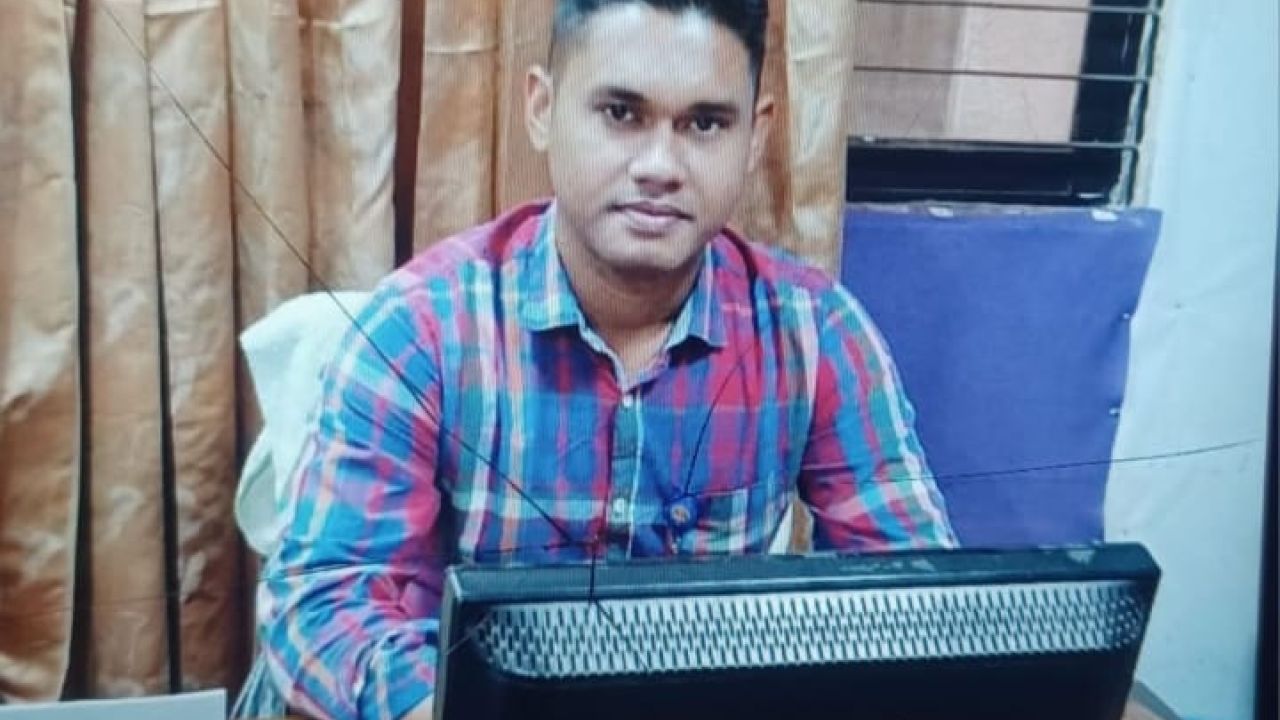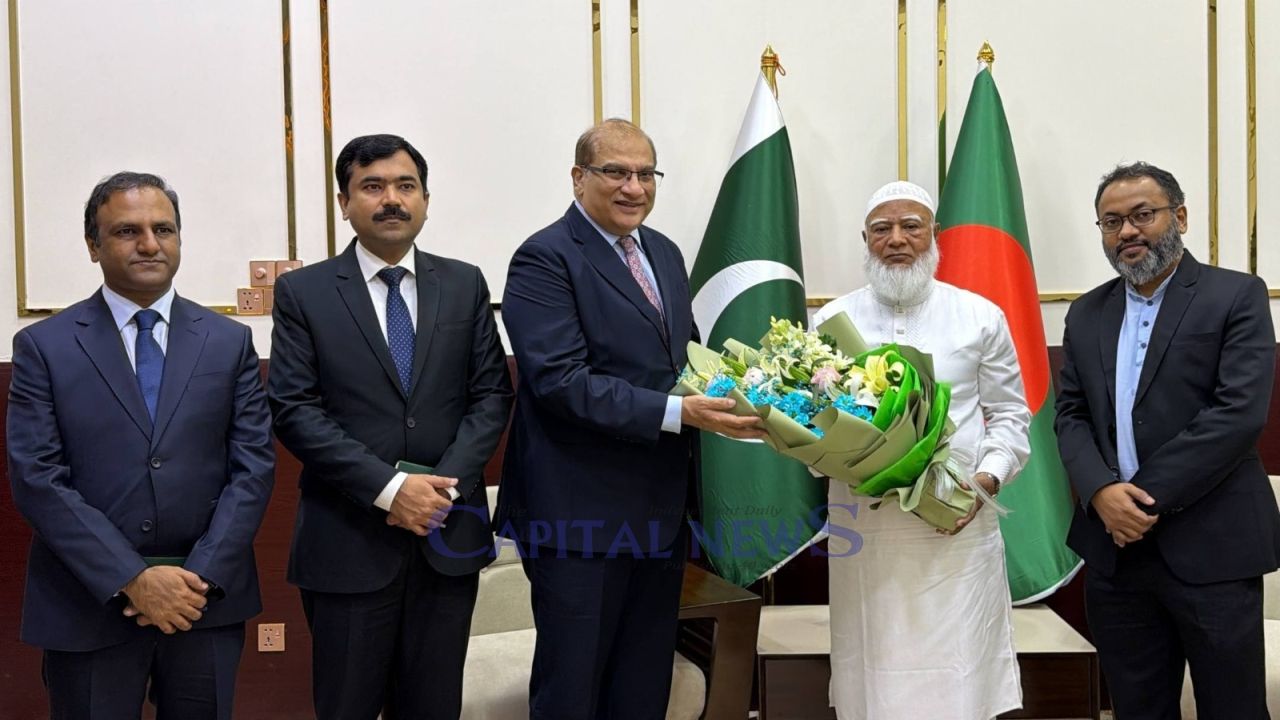
Diplomatic Correspondent: Pakistan High Commissioner to Bangladesh Imran Haider met Bangladesh Opposition Leader Dr Shafiqur Rahman, MP, on Monday, discussing bilateral relations, regional developments and diplomatic efforts to restore peace in West Asia.During the meeting, Dr Shafiqur Rahman appreciated Pakistan’s efforts to promote peace and resolve the ongoing conflict in West Asia. He stressed the importance of sustained dialogue and diplomacy to end the war and ease the suffering of people affected by the conflict.The Jamaat-e-Islami Ameer underscored the need for continued diplomatic engagement to address regional tensions and prevent further humanitarian suffering, according to a press release issued by the Pakistan High Commission in Dhaka.High Commissioner Imran Haider thanked the opposition leader for his remarks and reaffirmed Pakistan’s commitment to promoting peace in the region and beyond.He also briefed Dr Rahman on the progress of bilateral cooperation between Pakistan and Bangladesh in several key areas, including health, education, trade, culture and people-to-people contacts.Both sides expressed satisfaction with the positive momentum in relations between the two countries and exchanged views on ways to strengthen their existing cooperation.The meeting comes amid continuing diplomatic engagement between Dhaka and Islamabad to deepen bilateral ties and expand cooperation across multiple sectors.The discussions highlighted the importance of dialogue, mutual understanding and people-to-people exchanges in strengthening relations between the two South Asian neighbours, while also underscoring shared concerns over regional peace and stability.
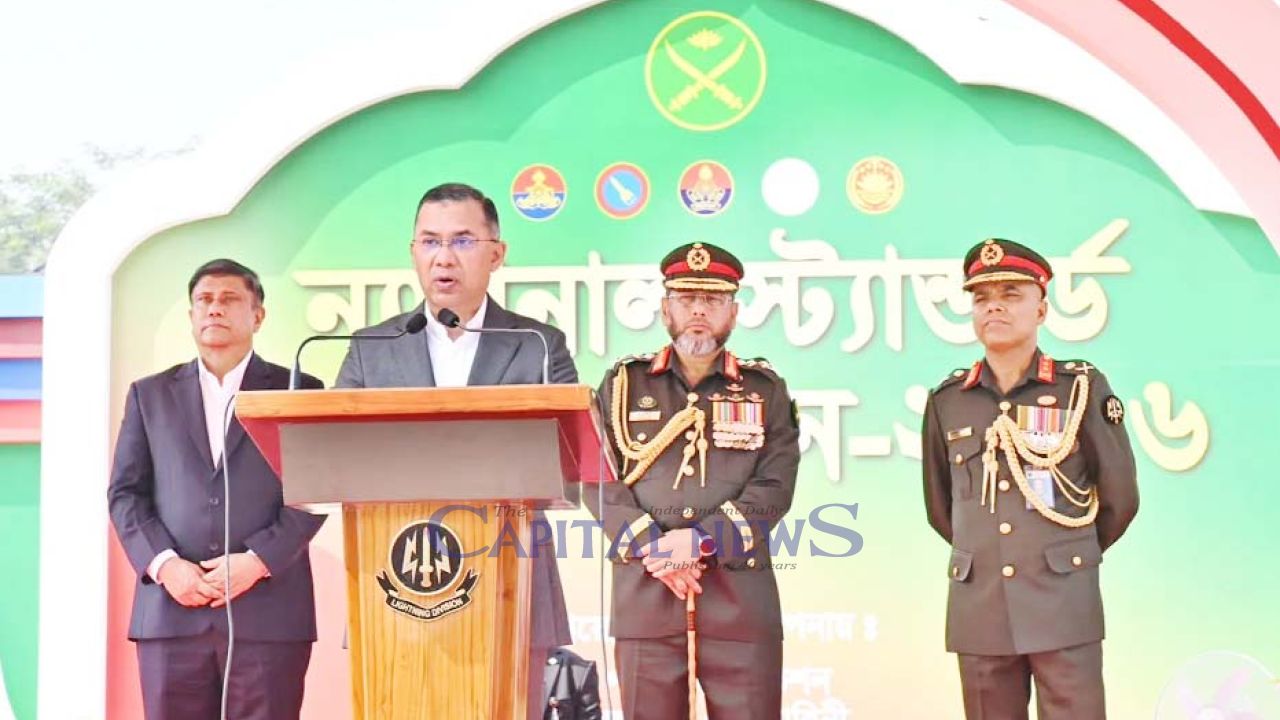
Online Desk: Prime Minister Tarique Rahman on Sunday said safeguarding national interests, sovereignty and dignity would remain the foremost commitment of Bangladesh in the days ahead, while the country seeks to strengthen friendship and cooperation with all nations on the basis of mutual respect and equality. "Bangladesh wants to strengthen friendship and cooperation with all countries on the basis of mutual respect and equality," he said while addressing a National Standard Awarding Ceremony at Savar Cantonment this morning, where several battalions and regiments received the National Standard in recognition of their professional excellence. Emphasising the significance of the award, the prime minister said the National Standard is not merely a flag, but a symbol of a unit's history, heritage, discipline, sacrifice, professionalism and commitment to the country."The glorious hoisting of the national flag constantly reminds us of our independence, sovereignty and the sacrifices of countless people," he said, adding that receiving the standard represents a renewed pledge to discharge assigned responsibilities with greater dedication. "Safeguarding the honour of the flag is a sacred duty of every soldier," he said.Turning to the requirements of a modern military, Tarique Rahman said its strength could not be measured merely by weapons, equipment or manpower."The true strength of a modern armed force lies in discipline, competence, leadership, integrity, training and public trust - and, above all, in the chain of command," he said.He said the government is continuing its efforts to build the armed forces into a more technology-driven, competent, disciplined, professional and modern force.The prime minister also said the public expects officers and soldiers at all levels to remain steadfast in upholding the Constitution, laws, military regulations and humanitarian values while discharging their duties.Highlighting the changing global security environment, he said the nature and strategies of warfare are evolving rapidly. Alongside land, sea and air capabilities, cyberspace, outer space, drones, artificial intelligence, electronic warfare and information-based capabilities have become important components of national security."In this reality, work is underway to advance our defence preparedness in keeping with the changing times," he said.The prime minister said the government attached importance to establishing a domestic defence industry to manufacture essential weapons, ammunition and defence equipment locally alongside modernising the army in all areas.However, technology could never replace people, he said, adding, "We need to develop an integrated defence capability that would enable the army, navy and air force to operate in coordination when necessary, alongside enhanced technological capabilities."Referring to the country's Liberation War, the prime minister said the history of the Bangladesh Army was inseparably linked with the birth of Bangladesh through the War of Liberation.He recalled that on the night of March 25, 1971, when Pakistani forces launched a brutal crackdown on the freedom-loving people of Bangladesh, Major Ziaur Rahman, then deputy commander of the Eighth East Bengal Regiment in Chattogram, declared, "We revolt."Tarique Rahman said Shaheed President Ziaur Rahman subsequently assembled Bengali-speaking officers and soldiers of the regiment and instructed them to join the armed struggle for independence.Quoting Shaheed President Ziaur Rahman's article "The Birth of a Nation", the prime minister said Ziaur Rahman had written that he called the battalion's officers, junior commissioned officers (JCOs) and soldiers together and instructed them to take part in the armed struggle at 2:15 am on March 26, 1971.The prime minister said Bengali-speaking members of the 1st, 2nd, 3rd, 4th and 8th East Bengal regiments had mounted armed resistance against the Pakistani occupation forces following the crackdown on March 25.He also recalled Shaheed President Ziaur Rahman's subsequent declaration of independence from Kalurghat Radio Centre on March 27, saying his role in the War of Liberation remained an inspiring chapter for the armed forces. Such a historic and courageous role by an army officer in the country's independence and Liberation War remained a source of pride and inspiration for the armed forces, he said."That is why patriotic people who cherish independence consider any success of the army a success for Bangladesh," he added.The armed forces not only defend the country but also play important roles during natural disasters, fires and other national emergencies, he said. They were also serving with distinction in international peacekeeping missions.The prime minister said the government is giving due importance to the welfare, housing, healthcare, education, training, career development and post-retirement social security of armed forces personnel.He said salaries and allowances of armed forces members have already been increased by between 100 and 138 percent under the national pay scale.The implementation of the "One Rank, One Pension" system is also being processed to further improve the living standards of army personnel, he added.Cabinet members and advisers, the army chief, representatives of the diplomatic corps, former and serving armed forces officers, and military personnel of different ranks attended the ceremony organised by the 9th Infantry Division.

Desk Report: Bangladesh Islami Chhatra Shibir has expressed concern over the sudden resignation of the chairman and successive members of the Bangladesh Public Service Commission (PSC), alleging a possible government move to exert political control over the constitutional body.In a joint statement issued on Sunday, the organisation's central president, Nurul Islam, and Secretary General Sibgatullah warned that they would not accept the appointment of any politically affiliated person to the PSC without necessary reforms.The student organisation said attempts to politicise the commission would go against the aspirations of the July uprising, which, according to its leaders, called for a merit-based state system and fundamental reforms of public institutions.Describing the PSC as a vital constitutional institution, the Shibir leaders said it had repeatedly been used as a political tool over its 54-year history, undermining merit and public confidence in recruitment to government services.They expressed disappointment that, instead of transforming the commission into an independent, impartial and dynamic institution in line with the July Charter, efforts were allegedly being made to restore political influence over it.The leaders questioned why the chairman and members were being removed before completing their respective terms, suggesting that the changes could be part of a broader attempt to influence the commission's activities. They further alleged that the government was seeking to strengthen its political control over key state institutions despite its public commitments to reform. Citing alleged political influence in appointments to the higher judiciary, university administrations and senior field administration posts, the statement also raised concerns about question paper leaks, the exclusion of meritorious candidates in the name of verification and appointments based on political considerations. The Shibir leaders questioned whether the successive changes in the PSC's top leadership were connected to a wider plan to bring independent and statutory institutions under political control.In a further allegation, they claimed to have learned that a minister had summoned PSC members and indicated that they should act in accordance with the wishes of the political government."No constitutional institution is a minister's family business," the leaders said, arguing that no individual or government had the right to turn the PSC into an instrument for serving political interests. They warned that any attempt to use the commission for partisan purposes would face strong resistance from students and the public.The organisation called on the authorities to immediately reform and restructure the PSC in line with the July Charter, ensuring that it remains free from political interference.It also urged the relevant authorities to appoint honest, competent and qualified individuals to build an independent, impartial and efficient commission capable of safeguarding merit in public recruitment. The statement comes amid concerns over the independence of constitutional institutions and the need to ensure a transparent, fair and merit-based recruitment process in Bangladesh's public service. The allegations and concerns were raised by Chhatra Shibir in its statement. The statement did not include a response from the government or the PSC to the claims.
Saudi doctors perform 586 cataract surgeries as King Salman Humanitarian Aid and Relief Center initiative brings specialised treatment to disadvantaged BangladeshisMM
Rahmatullah: More
than 5,000 people from low-income communities in Rangpur have received free eye
examinations, medical consultations, medicines and reading glasses under a
Saudi-funded humanitarian medical campaign, offering much-needed relief to
people who struggle to afford specialised eye care.The
seven-day campaign, organised at Makka Eye Hospital in Rangpur, provided free
eye care services to 5,014 patients and successfully conducted 586 cataract
surgeries, according to the Al-Basar International Foundation, a Saudi-based
non-governmental organisation working to improve eye health and restore vision
among vulnerable communities. The
initiative was funded by the King Salman Humanitarian Aid and Relief Center
(KSrelief) and the Al-Basar International Foundation, reflecting Saudi Arabia's
humanitarian engagement in Bangladesh, particularly in areas where financial
hardship prevents many people from accessing essential healthcare. Three
volunteer Saudi doctors from KSrelief, working alongside medical professionals
from the Rangpur hospital, carried out the procedures during the campaign. Speaking
to Arab News on Sunday, Dr Ahmed Taher Hamid Ali, country director of the
Al-Basar International Foundation, said a total of 5,014 patients had received
free examinations, medical consultations, medicines and reading glasses, while
586 cataract operations had been completed successfully. “Eye
problems, particularly cataracts and other age-related vision problems, remain
a significant concern for many people in the Rangpur region,” he said. Rangpur,
in northern Bangladesh, is home to many low-income households for whom the cost
of specialised medical treatment can be a major barrier. Eye diseases that
could be treated through timely medical intervention may leave patients
struggling with everyday activities when diagnosis and surgery remain beyond
their financial means. The
campaign sought to address this challenge by bringing eye care services
directly to disadvantaged communities, reducing the financial burden on
patients and enabling hundreds of people with cataracts to regain their sight. Restoring
vision can make a significant difference to people's lives, helping them return
to work, carry out household responsibilities and live more independently. For
families dependent on daily earnings, untreated eye problems can also affect
their income and overall well-being. Dr
Ali said the campaign was particularly important because many people in Rangpur
Division could not easily afford specialised eye care. “By
bringing essential eye care services directly to the community, the campaign
helped people who might otherwise have gone without proper treatment,” he said. He
added that the participation of Saudi volunteer doctors highlighted the
importance of humanitarian cooperation and a shared commitment to providing
essential healthcare to people in need. For
beneficiaries, the programme offered relief not only from the financial burden
of treatment but also from the uncertainty and difficulties associated with
impaired vision. China
Begum, a 55-year-old woman who underwent cataract surgery during the campaign,
said she had been advised to have the operation long ago but could not afford
the procedure and the necessary medicines. With
support from the Saudi-funded initiative, she was finally able to receive treatment
and have her eyesight restored. Expressing
gratitude for Saudi Arabia's support, she said the treatment would help her
resume her daily activities and take care of her family without depending as
much on others. “I
found the doctor very humble and cordial. He treated me like a mother,” she
told Arab News. Describing
her experience, she said the operation took around 30 minutes and was almost
painless. Doctors also provided her with medicines and glasses without charge
after the surgery. The
experience illustrates how access to timely and affordable healthcare can
transform the lives of people who have long been unable to seek treatment
because of poverty. The
campaign also highlights the importance of cooperation between humanitarian
organisations and local medical institutions in reaching underserved
communities. By combining international medical expertise with the facilities
and personnel of a local hospital, the initiative delivered treatment to
thousands of patients within a short period.For
Bangladesh, where access to specialised healthcare remains a challenge for many
disadvantaged households, such programmes can provide immediate relief while
drawing attention to the need for affordable and accessible eye care.
The
seven-day initiative in Rangpur has thus brought renewed hope to thousands of
patients, including hundreds who underwent cataract surgery and can now look
forward to improved vision and greater independence.
Govt approves 338
recruiting agencies for recruitment process; Thanks to the Prime Minister of
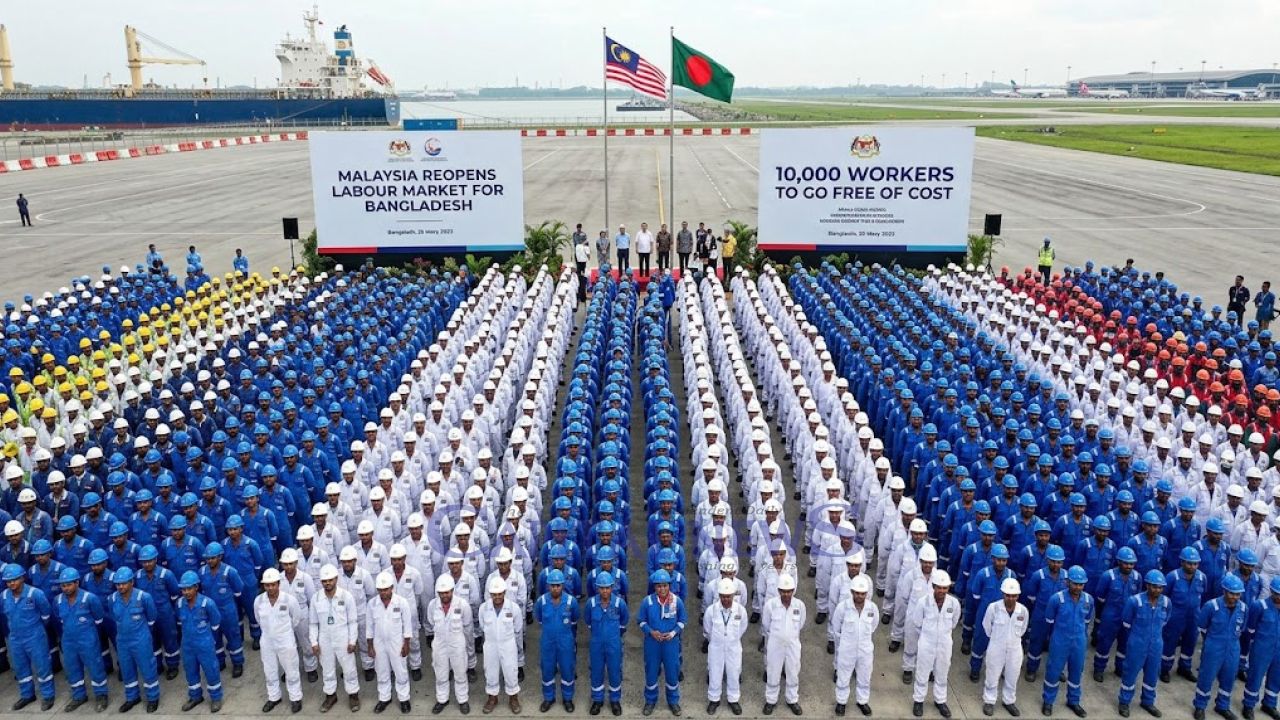
Malaysia for the cooperationMM Rahmatullah: Malaysia has agreed in principle to recruit 10,000 Bangladeshi workers free of cost and include 338 Bangladeshi recruiting agencies in its recruitment framework, marking a significant step towards reopening the country’s labour market for Bangladesh.The development follows diplomatic efforts by Bangladesh Prime Minister Tarique Rahman and discussions with his Malaysian counterpart, with the Malaysian government and the Malaysian High Commission in Dhaka expected to play important roles in advancing the recruitment process.According to a press release issued by the Ministry of Expatriates’ Welfare and Overseas Employment on Thursday, the latest initiative is aimed at expanding employment opportunities, reducing migration costs and ensuring a more transparent and regulated recruitment system for Bangladeshi workers.The government has expressed gratitude to Malaysian Prime Minister Anwar Ibrahim and the relevant Malaysian authorities for their cooperation in facilitating the process and advancing bilateral labour relations.Malaysia remains one of the major destinations for Bangladeshi migrant workers. The reopening of its labour market is therefore expected to bring renewed hope to thousands of jobseekers and families dependent on overseas employment and remittances.Under the proposed arrangement, 338 Bangladeshi agencies will be included in the recruitment framework. These comprise the state-owned Bangladesh Overseas Employment and Services Limited (BOESL), 25 private processing or service agencies and 312 recruiting agencies.The Malaysian Ministry of Human Resources will select and enlist the agencies according to its prescribed eligibility criteria. Once approved, the agencies will be able to identify employers in Malaysia, collect job demand letters and recruit eligible workers from Bangladesh in line with the applicable rules.The Malaysian authorities have also agreed in principle to recruit 10,000 Bangladeshi workers without charging them recruitment-related costs following a special request from Bangladesh. The initiative is expected to ease the financial burden on migrant workers and make overseas employment more accessible to people from lower-income families.However, the agreement in principle does not mean that the workers can depart immediately. Recruitment, visa processing, medical examinations and other formalities must be completed before their deployment.The Malaysian High Commission in Bangladesh is expected to remain an important point of contact in facilitating coordination between the two countries, alongside the relevant Malaysian ministries and Bangladeshi authorities. The completion of the necessary procedures will be crucial to translating the agreement into actual employment opportunities.Under the proposed process, the approved recruiting agencies will identify employers and collect job demand letters. BOESL and the 25 designated processing or service agencies will assist with administrative procedures, including visa and e-visa processing.After the required procedures in Malaysia are completed, the recruiting agencies will carry out the remaining formalities in Bangladesh under the country's existing laws and regulations. Each approved agency will be able to obtain clearance for its workers from the Bureau of Manpower, Employment and Training (BMET) under its own licence.The ministry has also clarified that BOESL and the designated processing or service agencies will be able to issue no-objection certificates to the approved recruiting agencies to facilitate the process.The inclusion of 338 agencies is expected to broaden participation in recruitment and reduce dependence on a limited number of operators. The government, however, has stressed the importance of legal compliance, transparency and the protection of workers' interests.The latest development follows an earlier initiative to assess the eligibility of Bangladeshi recruiting agencies for the Malaysian labour market. Under the memorandum of understanding signed between Bangladesh and Malaysia on December 18, 2022, Malaysia's Ministry of Human Resources is responsible for selecting and listing Bangladeshi agencies according to its prescribed criteria.As part of the earlier process, Bangladesh submitted a list of 423 recruiting agencies, along with the required documents, to the Malaysian authorities for consideration. Following the formation of the present government, diplomatic discussions continued to secure the reopening of the market and expand employment opportunities.Despite the progress, the finalisation of the list of authorised medical centres for Malaysia-bound workers remains pending.Under the existing agreement, both countries share responsibility for finalising the list of approved medical centres. Bangladesh has requested changes to the existing arrangements to facilitate a faster reopening of the labour market.The final approval of a revised list is expected after an on-site inspection by a joint delegation representing Malaysia's ministries of health, human resources and home affairs. As the inspection process will take time, the two sides have decided to begin operations through the remaining centres on Malaysia's existing approved list, excluding centres associated with allegations of irregularities and controversy.A Malaysian delegation is expected to visit Bangladesh as soon as possible to inspect and assess medical centres under the revised guidelines. Bangladeshi authorities will also monitor the centres listed on the relevant Malaysian website, and centres found involved in irregularities may be required to suspend operations.New medical centres may be added in phases, with updated information published through the relevant website and the ministry. The government has also made it clear that no single medical centre will receive exclusive authority to conduct health examinations for Malaysia-bound workers.The measures are intended to prevent monopolistic practices, strengthen oversight and ensure that workers have access to an approved medical screening system.Reducing migration costs remains a major priority for Bangladesh. Many prospective workers depend on loans, family savings or the sale of assets to finance overseas employment. Excessive recruitment charges can leave them burdened with debt even before they begin earning abroad.The proposed recruitment of 10,000 workers free of cost could offer substantial relief to selected workers and their families if implemented effectively and without unauthorised charges.The government has urged recruiting agencies to follow national laws and safeguard workers throughout the recruitment process. Jobseekers should verify agency credentials, confirm employment terms, obtain official receipts for lawful payments and avoid unverified intermediaries.The reopening initiative also highlights the importance of close cooperation between Dhaka and Kuala Lumpur. Continued engagement between the two governments, the Malaysian High Commission in Bangladesh and the relevant recruitment authorities will be essential to resolving outstanding issues and ensuring a smooth implementation process.The government has described the initiative as a new chapter in labour cooperation between the two countries and thanked the Malaysian prime minister, the Ministry of Human Resources and other relevant authorities for their support.For Bangladesh, the successful reopening of the Malaysian labour market would strengthen overseas employment opportunities, support remittance earnings and improve the livelihoods of families across the country.The immediate priority is to complete the remaining procedures and ensure that the promised recruitment opportunities are delivered through a transparent, affordable and accountable system. The success of the initiative will ultimately depend on effective monitoring, fair employment conditions and firm action against recruitment-related irregularities.For thousands of Bangladeshi jobseekers, the latest progress offers renewed hope of working in Malaysia without facing the heavy financial burden traditionally associated with overseas migration.
Party alleges political
favouritism, corruption and mismanagement behind fertiliser shortages; calls
for transparency and accountabilityMM Rahmatullah: Bangladesh
Jamaat-e-Islami has demanded an immediate investigation into alleged
irregularities, corruption, political favouritism and nepotism in the
appointment of fertiliser dealers, blaming the government's alleged
mismanagement for shortages that have caused hardship for farmers across the
country.At an emergency press
briefing at the party's central office in Moghbazar on Thursday, Jamaat
Secretary General Mia Golam Porwar alleged that the dealer appointment process
had been politicised in violation of existing government policies, undermining
fair distribution and disrupting agricultural activities. He claimed that
political considerations had overshadowed professional qualifications in
selecting dealers, leaving eligible candidates disadvantaged and creating
opportunities for alleged financial irregularities."There is no
shortage of crises in the country; wherever you look, there is a crisis,"
Golam Porwar said, accusing the government of failing to ensure an
uninterrupted supply of fertiliser to farmers.He also criticised the
involvement of officials outside the relevant ministry in public statements
concerning the issue, questioning why Local Government, Rural Development and
Cooperatives State Minister Mir Shah Alam was speaking on a matter primarily under
the Agriculture Ministry.According to the Jamaat
leader, political representatives had been included in district-level
committees responsible for selecting dealers, raising concerns about the
impartiality of the process.He alleged that some
dealers had been appointed in exchange for money and that party recommendations
had influenced the selection process. These allegations were made at the
briefing and could not be independently verified.Golam Porwar attributed
the fertiliser shortages to alleged administrative failures, favouritism in
dealer appointments, black-market sales and smuggling.He claimed that the
prescribed eligibility criteria had not been properly followed in several
areas, alleging that lists submitted on political party letterheads had been considered
during the appointment process.Citing allegations from
Dinajpur, Badarganj in Rangpur and other areas, he said some individuals had
received dealership licences despite questions about their eligibility and
business credentials.Referring to an
investigation by The Dissent, he claimed that fertiliser shortages had affected
farmers in the constituencies of 14 BNP lawmakers.He further alleged that
some dealerships had been awarded to people living outside the areas they were
authorised to serve, while individuals without prior experience in the
fertiliser business had also obtained licences.Other alleged
irregularities included multiple members of the same family receiving
dealerships, as well as the use of allegedly fictitious warehouses and false
agreements to secure licences.Golam Porwar also
claimed that a list of dealer appointments issued on a BNP letterhead in
Pirgachha upazila of Rangpur included the names of political figures affiliated
with the Awami League, BNP and Jatiya Party.He accused the
government of disregarding established rules and alleged that appointments had
been made despite a High Court order. He also criticised the state minister for
reportedly declaring that BNP's dedicated leaders would receive dealership
opportunities.The allegations,
including those concerning political influence, financial transactions and
compliance with court orders, require independent investigation and
verification.At the briefing, Golam
Porwar presented six demands aimed at ensuring transparency, accountability and
fairness in fertiliser dealer appointments and distribution.An immediate
investigation into allegations of irregularities, nepotism, political
interference and financial transactions in dealer appointments, followed by
appropriate disciplinary action against those found responsible.Public disclosure of
selection criteria, including the process for preparing dealer lists and the basis
on which licences are issued.Legal action against
those involved in collecting money in exchange for securing dealership
licences, following an investigation into the allegations.Verification of claims
about fertiliser shortages, including discrepancies between statements by
responsible officials and the actual situation in different parts of the
country, with relevant findings made public.Written explanations
from the authorities concerned regarding the allegations, alongside regular
public updates on the progress of investigations.Evidence-based
assessment of accusations against individuals or political groups to ensure
that no one is held responsible on the basis of unsubstantiated allegations or
political rhetoric.The party said an
impartial investigation was necessary to restore confidence in the dealer
appointment system and ensure that fertiliser reached farmers without political
discrimination or undue interference.Golam Porwar widened
his criticism to the government's overall performance, alleging that political
patronage and corruption had become increasingly prevalent over the past six to
seven months.He accused the
government of providing misleading information about the fertiliser situation
and attempting to shift responsibility for its shortcomings onto others.Expressing concern over
what he described as growing political control over public institutions, he
urged citizens to speak out against corruption and administrative failures. He said the July
uprising had raised hopes for a new Bangladesh free from corruption, nepotism
and repression of opposing views, with governance based on justice, fairness
and respect for democratic principles.However, he alleged
that the government was moving away from those aspirations by attempting to
establish a constitutional framework that could enable it to retain power
indefinitely.The Jamaat leader also
accused the government of sidelining opposition parties in the constitutional
reform process.He said his party
wanted constitutional reform to proceed through the Constitution Reform Council
in accordance with the legal framework approved through the referendum mandate.Golam Porwar urged the
government to involve the opposition in the process rather than unilaterally
pursuing constitutional changes. He called for the issue to be resolved through
parliamentary debate instead of allowing political tensions to spill onto the
streets.He expressed hope that
the government would work with opposition parties in the next parliamentary
session to advance constitutional reform through the legally prescribed
process.Golam Porwar warned
that shortages of fertiliser, oil, gas, electricity and other energy supplies
were increasing production costs and contributing to higher prices of essential
commodities.He called on the
government to take effective measures to ease the difficulties facing marginal
farmers and urban residents.Fertilisers are
essential for maintaining agricultural productivity, and disruptions in their
availability can increase cultivation costs, affect crop yields and put
additional pressure on food prices.Ensuring a reliable
supply, transparent dealer selection and effective monitoring of distribution
is therefore important for both farmers and consumers.The allegations raised
by Jamaat have placed renewed focus on the need for transparent fertiliser
distribution and accountability in public administration. An independent
investigation, disclosure of appointment records and a clear response from the
authorities concerned would help establish the facts and determine whether any
rules were violated.
Several senior Jamaat
leaders attended the briefing, including Assistant Secretaries General Maulana
Abdul Halim and Advocate Muazzam Hossain Helal; Assistant Secretary General and
Central Publicity and Media Secretary Advocate Ahsanul Mahbub Zubair; and
Executive Council members Md Abdur Rob, Principal Md Izzat Ullah MP, Advocate
Matiur Rahman Akanda, Mobarak Hossain, Nurul Islam Bulbul MP, Mohammad Selim
Uddin and Dr Rezaul Karim. Ataur Rahman Sarkar, publicity secretary of Jamaat's
Dhaka North city unit, was also present.
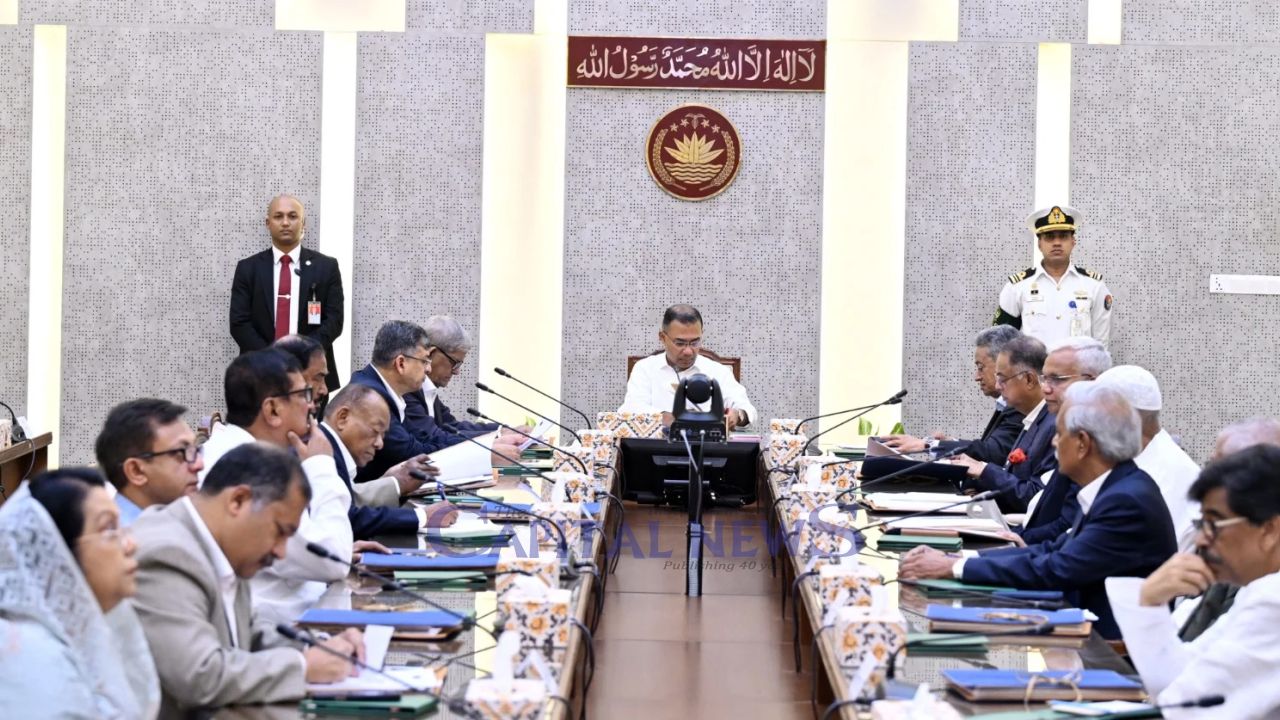
Online Desk: Prime Minister Tarique Rahman on Thursday called on people from all walks of life to take initiatives to protect the environment and forests, urging government officials to go beyond their routine duties to build a liveable Bangladesh for future generations. “Everyone has the capacity to do a little more than their assigned duties,” he said at a meeting to review the progress and implementation of the Environment, Forest and Climate Change Ministry’s activities at the ministry’s conference room. The meeting decided to identify and conserve the country’s mother trees within the next six months. It also emphasized proper care of planted saplings, regular monitoring of their survival and exploring ways to expand afforestation in the Chattogram Hill Tracts.The Prime Minister stressed the need to raise public awareness alongside government initiatives, saying greater awareness would make environmental protection efforts easier.He also called for creating more spaces where people could enjoy nature and encouraging rooftop and school gardening, as well as gardens in other buildings. Expressing concern over air pollution in Dhaka, Tarique Rahman said the capital had ranked first or second among the world’s most polluted cities for years, describing the situation as a matter of shame for the country.He urged everyone to take responsibility in their respective positions to change the situation.Addressing ministry officials, the Prime Minister said they had the ability to contribute beyond their assigned responsibilities and should not limit themselves to routine office work.“Allah has given us an opportunity to do something for this country and its people. You may work from nine to five, and nobody will question you if you do nothing beyond that. But if the environment deteriorates, future generations will suffer, as your next generation will also live in this country,” he said.He underscored the need for separate public awareness plans to support the implementation of decisions and initiatives aimed at protecting the environment and forests.Referring to the government’s plan to plant 25 crore (250 million) trees, the Prime Minister said the entire population would benefit if the programme was implemented properly.He called for collective efforts to bring positive changes for the country and its people.The meeting also decided that the Environment and Forest Ministry would take initiatives to make up for any shortfall if other ministries failed to meet their tree-planting targets. Regular care and monitoring of planted trees were also emphasised.Environment, Forest and Climate Change Minister Abdul Awal Mintoo, State Minister for Environment, Forest and Climate Change Shaikh Faridul Islam, Prime Minister’s Special Assistant Saimum Parvez, Acting Secretary Fahmida Khanom and senior officials attended the meeting.
Online Desk: Prime Minister Tarique Rahman on Tuesday welcomed the Netherlands government's interest in conducting a feasibility study for the Teesta project and providing expertise and technical assistance for its implementation.He welcomed the interest during a meeting with a delegation led by Dutch Minister for Foreign Trade and Development Cooperation Sjoerd Sjoerdsma at the Prime Minister's Office at the Secretariat here, said PM's Deputy Press Secretary Shahadat Shadhin.The meeting discussed strengthening bilateral trade ties, a possible free trade agreement with the European Union (EU), water resources management, renewable energy, agricultural cooperation, human rights and the Rohingya crisis.During the meeting, Tarique Rahman said Bangladesh and the Netherlands, both delta nations, had ample scope to work together by addressing common challenges and exchanging experiences.He expressed particular interest in the Netherlands' experience in land reclamation.Sjoerdsma stressed expanding knowledge exchange, sharing experiences and strengthening cooperation between the two countries in water resources management, land reclamation, char development and climate-resilient river management.The Dutch minister said it was an ideal time to further strengthen bilateral relations through expanded investment and cooperation, particularly in water resources management, trans-boundary river management, democracy and economic development.The meeting also discussed free trade and Bangladesh's trade relations with the EU. Sjoerdsma expressed interest in free trade, while Bangladesh sought the Netherlands' cooperation in exploring the possibility of a free trade agreement with the EU.The Dutch minister also enquired about the government's initiatives to address Bangladesh's ongoing energy crisis and praised the country's plans for renewable energy.On the Rohingya crisis, Bangladesh reiterated that its root cause lay in Myanmar and that a sustainable solution must also be found there. Bangladesh wants to ensure the safe, voluntary and dignified repatriation of the Rohingyas.The meeting underscored the importance of strengthening diplomatic efforts at bilateral and multilateral levels to resolve the crisis.The Netherlands also expressed interest in extending cooperation with Bangladesh in agriculture, drawing on its experience and technological expertise in the sector. Discussions also covered the consolidation of democracy and the protection of human rights in Bangladesh.The Prime Minister said BNP, as a political party, had itself been a victim of human rights violations in the past, and that his government is committed to protecting and strengthening human rights in the country in light of that experience. At the end of the meeting, Sjoerdsma invited the Prime Minister to visit the Netherlands.Commerce Minister Khandaker Khandakar Abdul Muktadir, Water Resources Minister Shahiduddin Chowdhury Anee, State Minister for Foreign Affairs Humaiun Kobir, Prime Minister's Adviser on Education, Expatriates' Welfare and Overseas Employment Mahdi Amin, Dutch Ambassador to Bangladesh Joris van Bommel and relevant officials were present at the meeting.

























.jpg)
.jpg)
.jpg)
.jpg)













.jpg)
.jpg)

.webp)
.jpg)
.jpg)
.jpg)