The Daily Capital News

From the Soldiers–People’s Revolution to the July Mass Uprising: The Bangladesh of Tomorrow

From the Soldiers–People’s Revolution to the July Mass Uprising:  The Bangladesh of Tomorrow

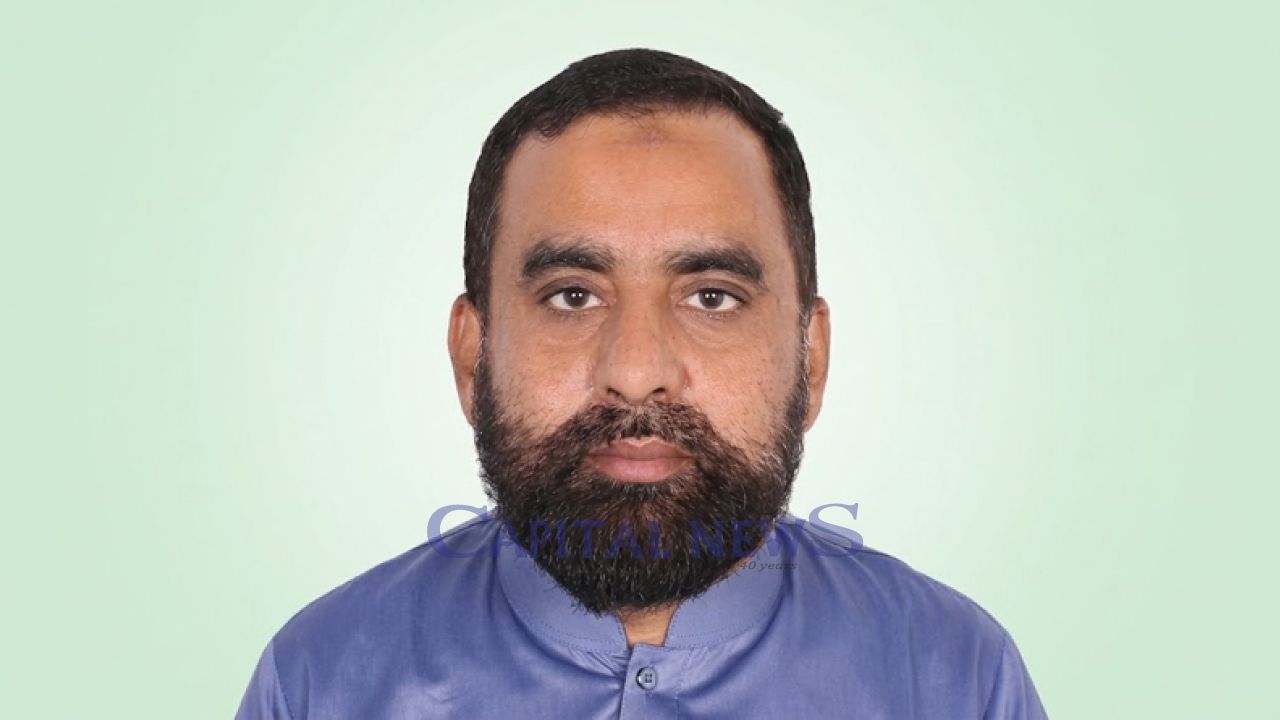
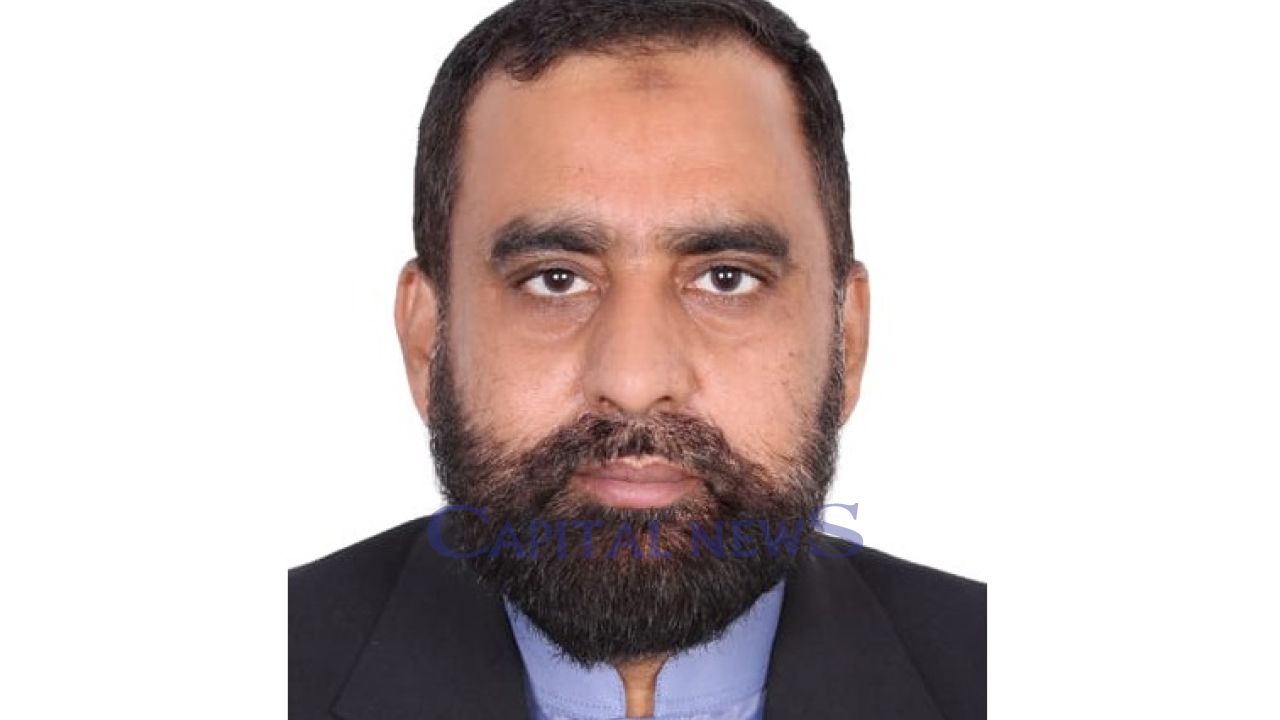
Dr. Dewan Azad Rahman: The history of Bangladesh is, above all, a history of the people's aspirations for rights, freedom, dignity, and justice. Although the great Liberation War of 1971 laid the foundation of an independent state, the path to building democratic institutions after independence was not always smooth. Political conflicts, struggles for power, and economic inequality repeatedly confronted the people with new questions. Along this long journey, the soldiers–people's uprising of 7 November 1975 and the student–people's mass uprising of July–August 2024 stand out as two widely discussed chapters. Despite considerable differences in their contexts, leadership, methods, and outcomes, both events invite serious reflection on the legitimacy of state power and the expectations of the people. For the Bangladesh of tomorrow, it is more fruitful to examine their lessons than to arrange past events along a single line and claim a direct historical succession.

After independence, reconstructing a war-ravaged economy, addressing food shortages, improving administrative efficiency, and establishing political consensus were enormous challenges. The famine of 1974 intensified public suffering. Major changes in the system of government took place in January 1975, followed by initiatives to establish a one-party political structure. The crisis deepened further after Bangabandhu Sheikh Mujibur Rahman and most of his family were killed on 15 August. On 3 November, a military coup led by Brigadier Khaled Mosharraf took place, and Army Chief Ziaur Rahman was placed under house arrest. The events of 7 November unfolded amid distrust among the state, the armed forces, and political leaders, as well as rapid changes in power. Therefore, understanding that day requires consideration of the entire period of crisis rather than isolated incidents.

On 7 November 1975, the situation changed rapidly amid a rebellion by a section of the army, the activities of the Revolutionary Soldiers' Organisation, and the involvement of political forces. The roles of retired Colonel Abu Taher and the Jatiya Samajtantrik Dal (JSD) feature prominently in historical discussions. Ziaur Rahman was released from house arrest and subsequently emerged at the centre of state power. Meanwhile, several military officers, including Khaled Mosharraf, A. T. M. Haider, and Khandaker Nazmul Huda, were killed. Political parties and researchers interpret the significance of that day differently. Some commemorate it as 'National Revolution and Solidarity Day,' others as the 'Soldiers–People's Uprising,' and still others as 'Freedom Fighter Soldiers Killing Day.' Despite these differing interpretations, the loss of life, divisions within the military establishment, and changes in power cannot be ignored. Respect for history means giving a place to both its achievements and its sorrows.

The events of 7 November remind us that the stability of a state cannot rest solely on the personal popularity of its leaders. Crises become more severe in the absence of a strong constitutional order, credible elections, an independent judiciary, a professional administration, and accountable politics. The professional neutrality of the armed forces and their loyalty to constitutional authority are essential to national security. Similarly, national unity does not mean that everyone must hold the same opinion; rather, it means enabling people with different political beliefs to coexist safely. The grievances and vengeance of the past cannot become the policy of the future. The same legal standards must apply to extrajudicial killings, torture, and violence, regardless of political identity. The study of history should not be a competition in partisan propaganda; it should be a practice grounded in reliable information, testimony, and critical analysis.

The history of popular participation in Bangladesh is not confined to 1975 or 2024. At various times, students, working people, professionals, and political organisations have taken to the streets to demand democracy. The mass uprising of 1990 is an important chapter in political change. The quota reform movement of 2018 also expressed the younger generation's dissatisfaction over employment, fairness in competition, and equality of opportunity. These events occurred in different contexts, but they convey a common message: when people feel that their voices are being ignored in state decision-making, resentment accumulates. It was against this backdrop of social and political experiences that the July movement of 2024 emerged with its own strength and distinct characteristics. The history of July, therefore, should not be regarded merely as a sudden protest or an imitation of earlier events.

Student protests resumed in June 2024 following a court decision concerning quotas in government employment. In July, they spread across universities and other educational institutions under the banner of the Anti-Discrimination Student Movement. Initially, the central demands were fairness in recruitment and equality of opportunity. However, clashes, attacks, gunfire, arrests, curfews, and internet shutdowns quickly gave the movement a different dimension. The images of the killing of student Abu Sayeed in Rangpur became a powerful symbol of protest. Female students, parents, teachers, working people, and citizens from various walks of life joined the movement. Alongside the quota issue, demands emerged for the protection of life, accountability, human rights, and accountable changes in the governance of the state. The movement began to extend beyond students and take the form of nationwide mass resistance.

In early August 2024, the movement expanded further. On 5 August, Prime Minister Sheikh Hasina resigned and left the country; on 8 August, an interim government led by Professor Muhammad Yunus took the oath of office. Behind this political change lay the sacrifices of countless people and profound human suffering. According to an investigative report issued on 12 February 2025 by the United Nations Human Rights Office, as many as approximately 1,400 people may have been killed between 1 July and 15 August 2024, and many others were injured. This is an investigative estimate, not a final judicial determination. The same report highlighted allegations of serious human rights violations and the need for accountability for the violence. Rehabilitation, medical care, truth-seeking, and justice for the families of those killed, for the injured, and for victims of torture are urgent responsibilities of the state in the future.

One similarity between the events of 1975 and 2024 is that both periods witnessed severe crises surrounding the structure of power, while public expectations of change gained prominence. However, the limits of this similarity must be clearly recognised. At the centre of 7 November were a military coup, rebellion within the army, and struggles for power; by contrast, the driving force of July–August 2024 was a broad-based civic protest led by students. Military influence over state power increased after the first event; discussions surrounding the second brought demands for democratic institutions, rights, and reform to the fore. Thus, 'From the Soldiers–People's Revolution to the July Mass Uprising' represents a comparative historical reflection, not a proven direct organisational continuity. Their actual lessons become clearer when each event is understood in light of its distinctive characteristics.

The foundation of tomorrow's Bangladesh must be a democratic system in which free, fair, and participatory elections provide the legitimate means of gaining and transferring power. It is essential to guarantee the independence of the Election Commission, internal democracy within political parties, effective parliamentary debate, and the constitutional rights of dissenting voices. Parliament must be the centre of policymaking and government accountability, while the judiciary must remain free from executive pressure. In public administration, law, competence, and fairness must take precedence over partisan identity in recruitment, promotion, and service delivery. Democratic culture will mature only when a change of government is no longer seen as synonymous with the collapse of institutions. In such a state, citizens' voices will be heard not only in times of crisis but also in everyday decision-making.

Justice for past violence cannot serve as a licence for new violence. Whether considering the killings of 1975 or the loss of life in 2024, every incident requires truth-seeking, evidence-based investigation, transparent trials, and respect for the dignity of those affected. Public confidence in the justice system cannot develop unless the accused are guaranteed the right to defend themselves and receive a fair trial. Effective legal safeguards are likewise needed to prevent enforced disappearances, torture, arbitrary arrests, persecution of minorities, and retaliatory attacks. The police and security agencies must follow the law and professional standards rather than political directives. National reconciliation does not mean forgetting crimes; it means acknowledging the truth, providing remedies for harm, ensuring justice, and building a shared commitment to prevent repetition.

One of the major social lessons of the July movement is that the concerns of young people about their future must be taken seriously. Merely speaking of merit in examinations does not establish equality; disparities between rural and urban areas in educational quality, access to technology, teacher training, and economic capacity must also be reduced. Schools need to teach critical thinking, ethics, history, and digital skills. University research, technical education, and the needs of industry must be effectively connected. Alongside government employment, policies are needed to encourage private investment, entrepreneurship, and the expansion of a dignified labour market. Transparency in recruitment and the prevention of corruption must restore confidence in merit. A social commitment to ensuring that no young person is deprived of opportunity for lack of connections or influence can strengthen the Bangladesh of the future.

Political change is meaningful only when it has a positive effect on the daily lives of ordinary people. Controlling inflation, ensuring fair prices for farmers, providing safe working conditions for labourers, financing small businesses, and expanding healthcare must be among the state's priorities. Discipline in the banking sector, transparency in public procurement, fairness in taxation, and effective anti-corruption institutions strengthen confidence in the economy. At the same time, equal rights must be protected for women, persons with disabilities, religious and ethnic minorities, and marginalised communities. Alongside urban-centred development, it is essential to build education facilities, roads, technology access, and climate-resilient infrastructure in villages, coastal areas, haor wetlands, and riverine char areas. The true measure of development is not income alone, but the fair distribution of security, opportunity, and dignity.

July demonstrated that students and young people are important forces for change in society. Yet transforming the courage of protest into a lasting democratic force requires knowledge, patience, and organised civic engagement. We must avoid spreading rumours on social media, treating people with differing opinions as enemies, and presenting history from a single perspective. Schools, universities, and the media should foster an environment for evidence-based debate. If multiple historical perspectives on 7 November and July are discussed in classrooms, students will learn to verify information and form opinions through reasoned argument. Political parties, too, should view young people not merely as participants in rallies but as partners in policymaking. Civic responsibility means protecting the rights of others as equally as we demand our own.

Freedom of expression, honest use of public resources, and legal protection against discrimination are fundamental principles. Whatever government is in power, these principles must remain unchanged. The experience of 1975 teaches us the importance of institution-based politics; the experience of 2024 reminds us of the consequences of failing to listen to citizens. The best way to honour every chapter of history is not through blind loyalty to any individual or party, but by translating the aspiration for freedom into practical policies and conduct. Dialogue, tolerance, and orderly political competition in the national interest can pave the way for a stable future.

To realise the vision of a humane state, time-bound and measurable initiatives are necessary. First, the gap between the law and its practical enforcement must be narrowed to establish the independence of electoral and judicial institutions. Second, digital transparency in administrative services, grievance redress, and the right to information must be made effective. Third, long-term support for medical treatment, education, and livelihoods must be ensured for the injured and affected families. Fourth, local government must be given meaningful powers so that decision-making is brought closer to citizens. Fifth, regular and impartial reports must be published on education and employment indicators, anti-corruption measures, and the human rights situation. The credibility of reform will be determined by how visible its results are compared with the promises made.

Two distinct turning points in history stand before us. One was a bloody chapter of military and political crisis; the other, a widespread mass uprising that grew out of student-led protests. Rather than denying the past or glorifying it blindly, we must acknowledge its truths, sorrows, and lessons. Bangladesh's future goal should be a state where voting rights are protected, the law applies equally to all, the judiciary is independent, opportunities for employment are fair, and no one feels unsafe because of differences of opinion. History's greatest legacy is not a slogan; it is the creation of enduring institutions that protect human dignity. This commitment can guide Bangladesh towards a humane, inclusive, and democratic future.

Author: Essayist and Researcher


Subject : Op-Editorial

Write Your Opinion

The Daily Capital News

বৃহস্পতিবার, ০৫ নভেম্বর ২০২৬


From the Soldiers–People’s Revolution to the July Mass Uprising: The Bangladesh of Tomorrow

Publish Date : 04 November 2026

featured Image
Dr. Dewan Azad Rahman: The history of Bangladesh is, above all, a history of the people's aspirations for rights, freedom, dignity, and justice. Although the great Liberation War of 1971 laid the foundation of an independent state, the path to building democratic institutions after independence was not always smooth. Political conflicts, struggles for power, and economic inequality repeatedly confronted the people with new questions. Along this long journey, the soldiers–people's uprising of 7 November 1975 and the student–people's mass uprising of July–August 2024 stand out as two widely discussed chapters. Despite considerable differences in their contexts, leadership, methods, and outcomes, both events invite serious reflection on the legitimacy of state power and the expectations of the people. For the Bangladesh of tomorrow, it is more fruitful to examine their lessons than to arrange past events along a single line and claim a direct historical succession.After independence, reconstructing a war-ravaged economy, addressing food shortages, improving administrative efficiency, and establishing political consensus were enormous challenges. The famine of 1974 intensified public suffering. Major changes in the system of government took place in January 1975, followed by initiatives to establish a one-party political structure. The crisis deepened further after Bangabandhu Sheikh Mujibur Rahman and most of his family were killed on 15 August. On 3 November, a military coup led by Brigadier Khaled Mosharraf took place, and Army Chief Ziaur Rahman was placed under house arrest. The events of 7 November unfolded amid distrust among the state, the armed forces, and political leaders, as well as rapid changes in power. Therefore, understanding that day requires consideration of the entire period of crisis rather than isolated incidents.On 7 November 1975, the situation changed rapidly amid a rebellion by a section of the army, the activities of the Revolutionary Soldiers' Organisation, and the involvement of political forces. The roles of retired Colonel Abu Taher and the Jatiya Samajtantrik Dal (JSD) feature prominently in historical discussions. Ziaur Rahman was released from house arrest and subsequently emerged at the centre of state power. Meanwhile, several military officers, including Khaled Mosharraf, A. T. M. Haider, and Khandaker Nazmul Huda, were killed. Political parties and researchers interpret the significance of that day differently. Some commemorate it as 'National Revolution and Solidarity Day,' others as the 'Soldiers–People's Uprising,' and still others as 'Freedom Fighter Soldiers Killing Day.' Despite these differing interpretations, the loss of life, divisions within the military establishment, and changes in power cannot be ignored. Respect for history means giving a place to both its achievements and its sorrows.The events of 7 November remind us that the stability of a state cannot rest solely on the personal popularity of its leaders. Crises become more severe in the absence of a strong constitutional order, credible elections, an independent judiciary, a professional administration, and accountable politics. The professional neutrality of the armed forces and their loyalty to constitutional authority are essential to national security. Similarly, national unity does not mean that everyone must hold the same opinion; rather, it means enabling people with different political beliefs to coexist safely. The grievances and vengeance of the past cannot become the policy of the future. The same legal standards must apply to extrajudicial killings, torture, and violence, regardless of political identity. The study of history should not be a competition in partisan propaganda; it should be a practice grounded in reliable information, testimony, and critical analysis.The history of popular participation in Bangladesh is not confined to 1975 or 2024. At various times, students, working people, professionals, and political organisations have taken to the streets to demand democracy. The mass uprising of 1990 is an important chapter in political change. The quota reform movement of 2018 also expressed the younger generation's dissatisfaction over employment, fairness in competition, and equality of opportunity. These events occurred in different contexts, but they convey a common message: when people feel that their voices are being ignored in state decision-making, resentment accumulates. It was against this backdrop of social and political experiences that the July movement of 2024 emerged with its own strength and distinct characteristics. The history of July, therefore, should not be regarded merely as a sudden protest or an imitation of earlier events.Student protests resumed in June 2024 following a court decision concerning quotas in government employment. In July, they spread across universities and other educational institutions under the banner of the Anti-Discrimination Student Movement. Initially, the central demands were fairness in recruitment and equality of opportunity. However, clashes, attacks, gunfire, arrests, curfews, and internet shutdowns quickly gave the movement a different dimension. The images of the killing of student Abu Sayeed in Rangpur became a powerful symbol of protest. Female students, parents, teachers, working people, and citizens from various walks of life joined the movement. Alongside the quota issue, demands emerged for the protection of life, accountability, human rights, and accountable changes in the governance of the state. The movement began to extend beyond students and take the form of nationwide mass resistance.In early August 2024, the movement expanded further. On 5 August, Prime Minister Sheikh Hasina resigned and left the country; on 8 August, an interim government led by Professor Muhammad Yunus took the oath of office. Behind this political change lay the sacrifices of countless people and profound human suffering. According to an investigative report issued on 12 February 2025 by the United Nations Human Rights Office, as many as approximately 1,400 people may have been killed between 1 July and 15 August 2024, and many others were injured. This is an investigative estimate, not a final judicial determination. The same report highlighted allegations of serious human rights violations and the need for accountability for the violence. Rehabilitation, medical care, truth-seeking, and justice for the families of those killed, for the injured, and for victims of torture are urgent responsibilities of the state in the future.One similarity between the events of 1975 and 2024 is that both periods witnessed severe crises surrounding the structure of power, while public expectations of change gained prominence. However, the limits of this similarity must be clearly recognised. At the centre of 7 November were a military coup, rebellion within the army, and struggles for power; by contrast, the driving force of July–August 2024 was a broad-based civic protest led by students. Military influence over state power increased after the first event; discussions surrounding the second brought demands for democratic institutions, rights, and reform to the fore. Thus, 'From the Soldiers–People's Revolution to the July Mass Uprising' represents a comparative historical reflection, not a proven direct organisational continuity. Their actual lessons become clearer when each event is understood in light of its distinctive characteristics.The foundation of tomorrow's Bangladesh must be a democratic system in which free, fair, and participatory elections provide the legitimate means of gaining and transferring power. It is essential to guarantee the independence of the Election Commission, internal democracy within political parties, effective parliamentary debate, and the constitutional rights of dissenting voices. Parliament must be the centre of policymaking and government accountability, while the judiciary must remain free from executive pressure. In public administration, law, competence, and fairness must take precedence over partisan identity in recruitment, promotion, and service delivery. Democratic culture will mature only when a change of government is no longer seen as synonymous with the collapse of institutions. In such a state, citizens' voices will be heard not only in times of crisis but also in everyday decision-making.Justice for past violence cannot serve as a licence for new violence. Whether considering the killings of 1975 or the loss of life in 2024, every incident requires truth-seeking, evidence-based investigation, transparent trials, and respect for the dignity of those affected. Public confidence in the justice system cannot develop unless the accused are guaranteed the right to defend themselves and receive a fair trial. Effective legal safeguards are likewise needed to prevent enforced disappearances, torture, arbitrary arrests, persecution of minorities, and retaliatory attacks. The police and security agencies must follow the law and professional standards rather than political directives. National reconciliation does not mean forgetting crimes; it means acknowledging the truth, providing remedies for harm, ensuring justice, and building a shared commitment to prevent repetition.One of the major social lessons of the July movement is that the concerns of young people about their future must be taken seriously. Merely speaking of merit in examinations does not establish equality; disparities between rural and urban areas in educational quality, access to technology, teacher training, and economic capacity must also be reduced. Schools need to teach critical thinking, ethics, history, and digital skills. University research, technical education, and the needs of industry must be effectively connected. Alongside government employment, policies are needed to encourage private investment, entrepreneurship, and the expansion of a dignified labour market. Transparency in recruitment and the prevention of corruption must restore confidence in merit. A social commitment to ensuring that no young person is deprived of opportunity for lack of connections or influence can strengthen the Bangladesh of the future.Political change is meaningful only when it has a positive effect on the daily lives of ordinary people. Controlling inflation, ensuring fair prices for farmers, providing safe working conditions for labourers, financing small businesses, and expanding healthcare must be among the state's priorities. Discipline in the banking sector, transparency in public procurement, fairness in taxation, and effective anti-corruption institutions strengthen confidence in the economy. At the same time, equal rights must be protected for women, persons with disabilities, religious and ethnic minorities, and marginalised communities. Alongside urban-centred development, it is essential to build education facilities, roads, technology access, and climate-resilient infrastructure in villages, coastal areas, haor wetlands, and riverine char areas. The true measure of development is not income alone, but the fair distribution of security, opportunity, and dignity.July demonstrated that students and young people are important forces for change in society. Yet transforming the courage of protest into a lasting democratic force requires knowledge, patience, and organised civic engagement. We must avoid spreading rumours on social media, treating people with differing opinions as enemies, and presenting history from a single perspective. Schools, universities, and the media should foster an environment for evidence-based debate. If multiple historical perspectives on 7 November and July are discussed in classrooms, students will learn to verify information and form opinions through reasoned argument. Political parties, too, should view young people not merely as participants in rallies but as partners in policymaking. Civic responsibility means protecting the rights of others as equally as we demand our own.Freedom of expression, honest use of public resources, and legal protection against discrimination are fundamental principles. Whatever government is in power, these principles must remain unchanged. The experience of 1975 teaches us the importance of institution-based politics; the experience of 2024 reminds us of the consequences of failing to listen to citizens. The best way to honour every chapter of history is not through blind loyalty to any individual or party, but by translating the aspiration for freedom into practical policies and conduct. Dialogue, tolerance, and orderly political competition in the national interest can pave the way for a stable future.To realise the vision of a humane state, time-bound and measurable initiatives are necessary. First, the gap between the law and its practical enforcement must be narrowed to establish the independence of electoral and judicial institutions. Second, digital transparency in administrative services, grievance redress, and the right to information must be made effective. Third, long-term support for medical treatment, education, and livelihoods must be ensured for the injured and affected families. Fourth, local government must be given meaningful powers so that decision-making is brought closer to citizens. Fifth, regular and impartial reports must be published on education and employment indicators, anti-corruption measures, and the human rights situation. The credibility of reform will be determined by how visible its results are compared with the promises made.Two distinct turning points in history stand before us. One was a bloody chapter of military and political crisis; the other, a widespread mass uprising that grew out of student-led protests. Rather than denying the past or glorifying it blindly, we must acknowledge its truths, sorrows, and lessons. Bangladesh's future goal should be a state where voting rights are protected, the law applies equally to all, the judiciary is independent, opportunities for employment are fair, and no one feels unsafe because of differences of opinion. History's greatest legacy is not a slogan; it is the creation of enduring institutions that protect human dignity. This commitment can guide Bangladesh towards a humane, inclusive, and democratic future.Author: Essayist and Researcher

The Daily Capital News

Advisory Editor: Gayeshwar Chandra Roy
Editor: Abul Kashem Majumder
Acting Editor: Mohammad Alamgir Hossain
Executive Editor: Farid Ahmed Ripon

© 2025 The Daily Capital News