The Daily Capital News

Kashmir in the International Legal Order: Principles vs Practice

Kashmir in the International Legal Order: Principles vs Practice

CN DESK: The Kashmir dispute is not simply a political disagreement between India and Pakistan. It is, at its core, a legal issue rooted in the right to self-determination. Since 1947, the territory has been recognized by the United Nations as disputed. Through UN Security Council Resolution 47, the international community established a clear framework: the people of Kashmir were to decide their future through a free and fair plebiscite. More than seventy years later, this legal commitment remains unfulfilled, raising serious questions about the credibility of international law itself.

Over time, instead of moving toward a political solution, the region has experienced increasing militarization and legal centralization. The removal of Article 370 in August 2019 by the government led by the Bharatiya Janata Party (BJP) marked a turning point. This decision ended the limited autonomy of IIOJK and brought it under direct federal control. While the Indian government described this as a step toward integration and development, the method of implementation marked by mass detentions, communication blackouts, and heavy troop deployment drew widespread concern.

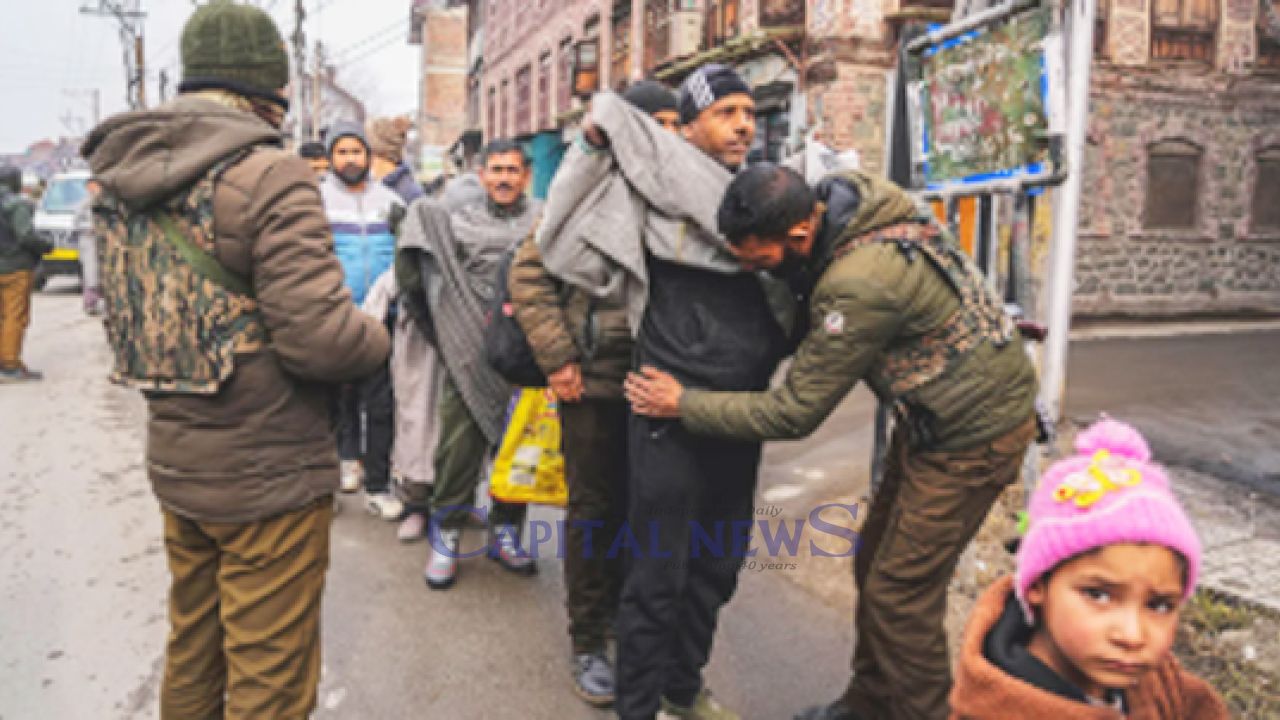
Security policies introduced after 2019 have further expanded state control. What has been described as Delhi’s “Seven Pillars” security doctrine is presented as a framework for stability. However, in practice, it resembles what many observers describe as “seven bars of an iron cage,” extending surveillance and restrictions into nearly every aspect of civilian life. Movement, communication, and political expression are closely monitored, limiting the space for normal civic life.

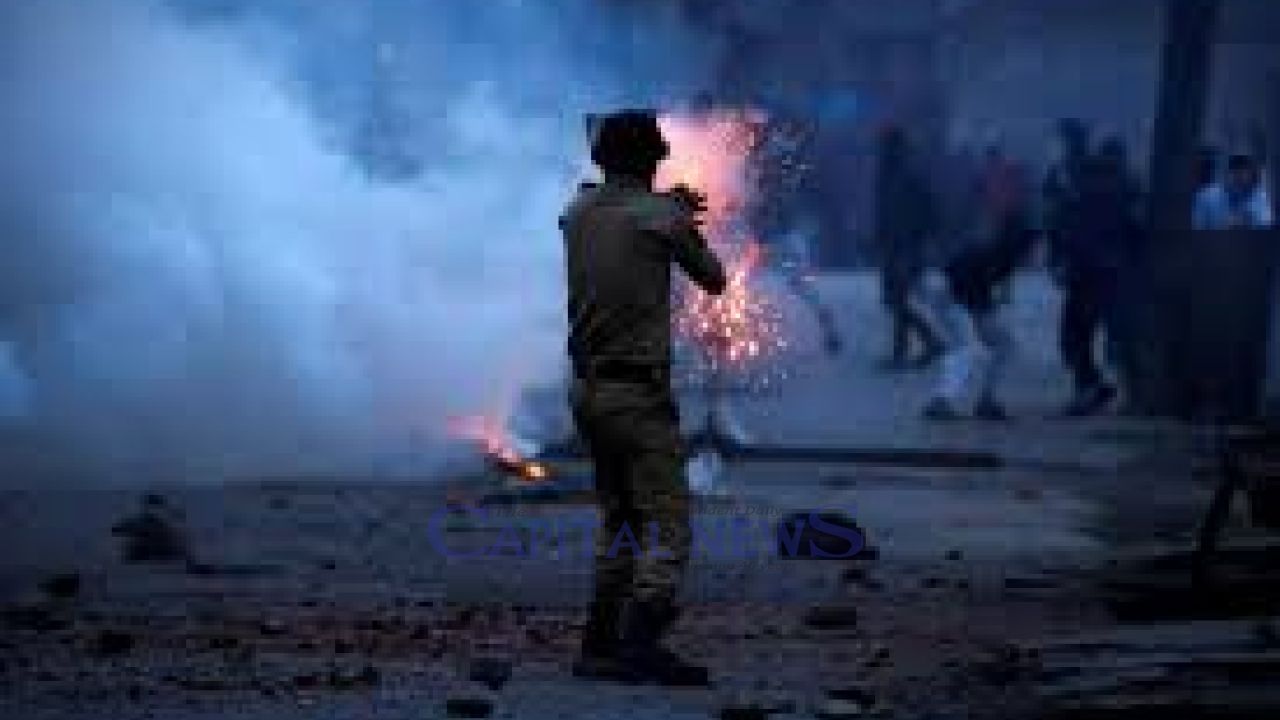
The human cost of this approach is significant. According to reports by the Research Section of Kashmir Media Service, Indian forces including the army, paramilitary units, Border Security Force, Special Operations Group, and police have killed over 1,056 Kashmiris since August 5, 2019, including at least 22 women. The same report indicates that at least 2,661 individuals have been critically injured due to the use of pellet guns, tear gas, and other forms of force against protesters and civilians. While these figures are disputed by Indian authorities, they are widely cited by observers to highlight the scale of abuses.

In addition to human rights law, international humanitarian law is also relevant in situations of prolonged conflict and heavy military presence. The Fourth Geneva Convention sets clear standards for the protection of civilians. The scale of military operations and repeated allegations of civilian harm in IIOJK invite continued legal scrutiny under these international norms.

Meanwhile, the situation on the ground remains fragile. Incidents such as the Pahalgam attack of April 2025 show that instability continues to define life in the region. While such events are often framed in terms of counter-terrorism, they also highlight the failure of existing policies to bring lasting peace. Civilians remain the primary victims, living between fear, uncertainty, and limited opportunities.

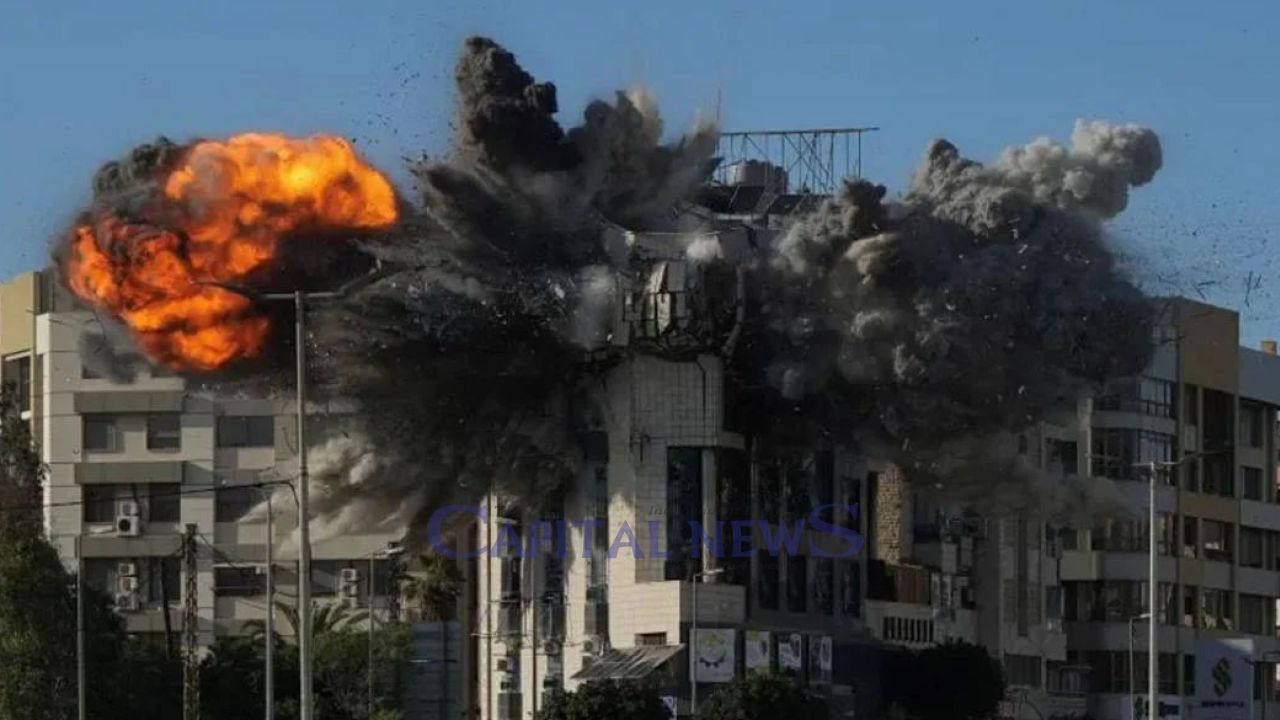
At its core, the Kashmir dispute is not about territory alone. It is about justice, rights, and the credibility of international law itself. Legal principles such as self-determination, human dignity, and protection from arbitrary state power are not meant to be selective, they are meant to be universal. Yet, when these principles remain unenforced in cases like IIOJK, and similarly in places such as Palestine, where prolonged conflict and unresolved legal questions persist despite decades of international attention, the gap between law and reality becomes impossible to ignore. Each instance where the United Nations fails to ensure accountability weakens global confidence in the system it was created to uphold.


Subject : World

Write Your Opinion

The Daily Capital News

বৃহস্পতিবার, ১৬ এপ্রিল ২০২৬


Kashmir in the International Legal Order: Principles vs Practice

Publish Date : 16 April 2026

featured Image
CN DESK: The Kashmir dispute is not simply a political disagreement between India and Pakistan. It is, at its core, a legal issue rooted in the right to self-determination. Since 1947, the territory has been recognized by the United Nations as disputed. Through UN Security Council Resolution 47, the international community established a clear framework: the people of Kashmir were to decide their future through a free and fair plebiscite. More than seventy years later, this legal commitment remains unfulfilled, raising serious questions about the credibility of international law itself.Over time, instead of moving toward a political solution, the region has experienced increasing militarization and legal centralization. The removal of Article 370 in August 2019 by the government led by the Bharatiya Janata Party (BJP) marked a turning point. This decision ended the limited autonomy of IIOJK and brought it under direct federal control. While the Indian government described this as a step toward integration and development, the method of implementation marked by mass detentions, communication blackouts, and heavy troop deployment drew widespread concern.Security policies introduced after 2019 have further expanded state control. What has been described as Delhi’s “Seven Pillars” security doctrine is presented as a framework for stability. However, in practice, it resembles what many observers describe as “seven bars of an iron cage,” extending surveillance and restrictions into nearly every aspect of civilian life. Movement, communication, and political expression are closely monitored, limiting the space for normal civic life.The human cost of this approach is significant. According to reports by the Research Section of Kashmir Media Service, Indian forces including the army, paramilitary units, Border Security Force, Special Operations Group, and police have killed over 1,056 Kashmiris since August 5, 2019, including at least 22 women. The same report indicates that at least 2,661 individuals have been critically injured due to the use of pellet guns, tear gas, and other forms of force against protesters and civilians. While these figures are disputed by Indian authorities, they are widely cited by observers to highlight the scale of abuses.In addition to human rights law, international humanitarian law is also relevant in situations of prolonged conflict and heavy military presence. The Fourth Geneva Convention sets clear standards for the protection of civilians. The scale of military operations and repeated allegations of civilian harm in IIOJK invite continued legal scrutiny under these international norms.Meanwhile, the situation on the ground remains fragile. Incidents such as the Pahalgam attack of April 2025 show that instability continues to define life in the region. While such events are often framed in terms of counter-terrorism, they also highlight the failure of existing policies to bring lasting peace. Civilians remain the primary victims, living between fear, uncertainty, and limited opportunities.At its core, the Kashmir dispute is not about territory alone. It is about justice, rights, and the credibility of international law itself. Legal principles such as self-determination, human dignity, and protection from arbitrary state power are not meant to be selective, they are meant to be universal. Yet, when these principles remain unenforced in cases like IIOJK, and similarly in places such as Palestine, where prolonged conflict and unresolved legal questions persist despite decades of international attention, the gap between law and reality becomes impossible to ignore. Each instance where the United Nations fails to ensure accountability weakens global confidence in the system it was created to uphold.

The Daily Capital News

Acting Editor: Md Alamgir Hossian
© 2025 The Daily Capital News