

Bangladesh’s economy is currently passing through a crucial phase of recovery and reconstruction. Amid global economic uncertainties, persistent inflationary pressures, sluggish investment growth, and employment challenges, the Bangladesh Bank’s announcement of a BDT 60,000 crore stimulus package is undoubtedly a bold and timely initiative. The primary objective of this program is not merely to increase the flow of money in the economy, but to inject new momentum into production, investment, employment, and overall economic activity.
A closer examination of the package reveals that it has been strategically designed around the country’s most important economic sectors. Reviving closed industrial and service enterprises, strengthening small and medium-sized enterprises (SMEs), expanding financing for agriculture and exports, revitalizing the rural economy, and creating new employment opportunities are among its key goals. If successfully implemented, these measures will significantly strengthen the foundations of the national economy. According to Bangladesh Bank’s projections, the package could generate employment opportunities for approximately 2.5 million people, a highly encouraging prospect for the country’s labor market.
Particularly noteworthy is the initiative to revive closed industrial establishments. Many factories and businesses across the country have reduced production or ceased operations due to various challenges. Reopening these enterprises will not only boost production but also restore livelihoods for thousands of workers. At the same time, it will rejuvenate industrial and service-sector supply chains, creating a multiplier effect throughout the economy.
The substantial allocation for the SME sector also deserves special appreciation. SMEs constitute the largest source of employment in Bangladesh. Improved access to financing will enable small and medium entrepreneurs to expand their businesses, adopt new technologies, and generate employment at the local level. As a result, the benefits of economic growth will spread beyond major urban centers and reach communities across the country.
The allocation for agriculture is equally important for ensuring food security and strengthening the rural economy. Easier access to finance for farmers can increase production, accelerate the adoption of modern technologies, and promote the growth of agro-based industries. Likewise, support for the export sector can help increase foreign exchange earnings and enhance Bangladesh’s competitiveness in international markets.
Another positive aspect of this initiative is its integrated approach to stimulating multiple sectors simultaneously. Industry, agriculture, exports, rural development, and employment are all closely interconnected. Progress in one sector often creates positive spillover effects in others. Therefore, if this stimulus package is implemented effectively, it could trigger broad-based and multidimensional improvements across the economy.
However, like any major economic program, the success of this initiative will depend largely on its implementation. It is essential to ensure that the funds reach genuine entrepreneurs, producers, and sectors capable of generating sustainable employment. Transparency, accountability, and effective monitoring must remain at the center of the process. If these principles are upheld, the package could become a milestone in Bangladesh’s economic recovery journey.
Throughout Bangladesh’s economic history, periods of crisis have often opened the door to new opportunities. This BDT 60,000 crore stimulus package presents such an opportunity. With sound planning, efficient implementation, and rigorous oversight, it has the potential not only to restore short-term economic momentum but also to lay the foundation for a more productive, employment-oriented, and sustainable economy in the long run. By fostering new investment, expanding employment opportunities, and revitalizing economic activity, this initiative could become a significant chapter in Bangladesh’s development story.
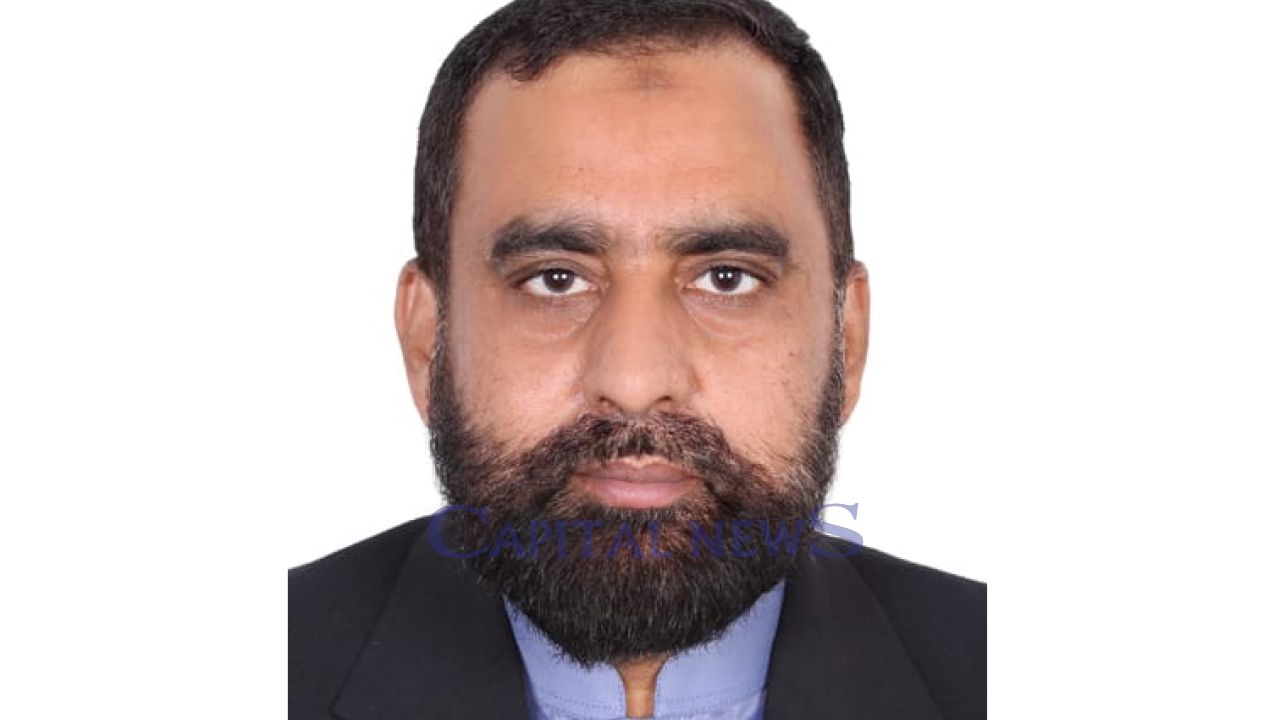
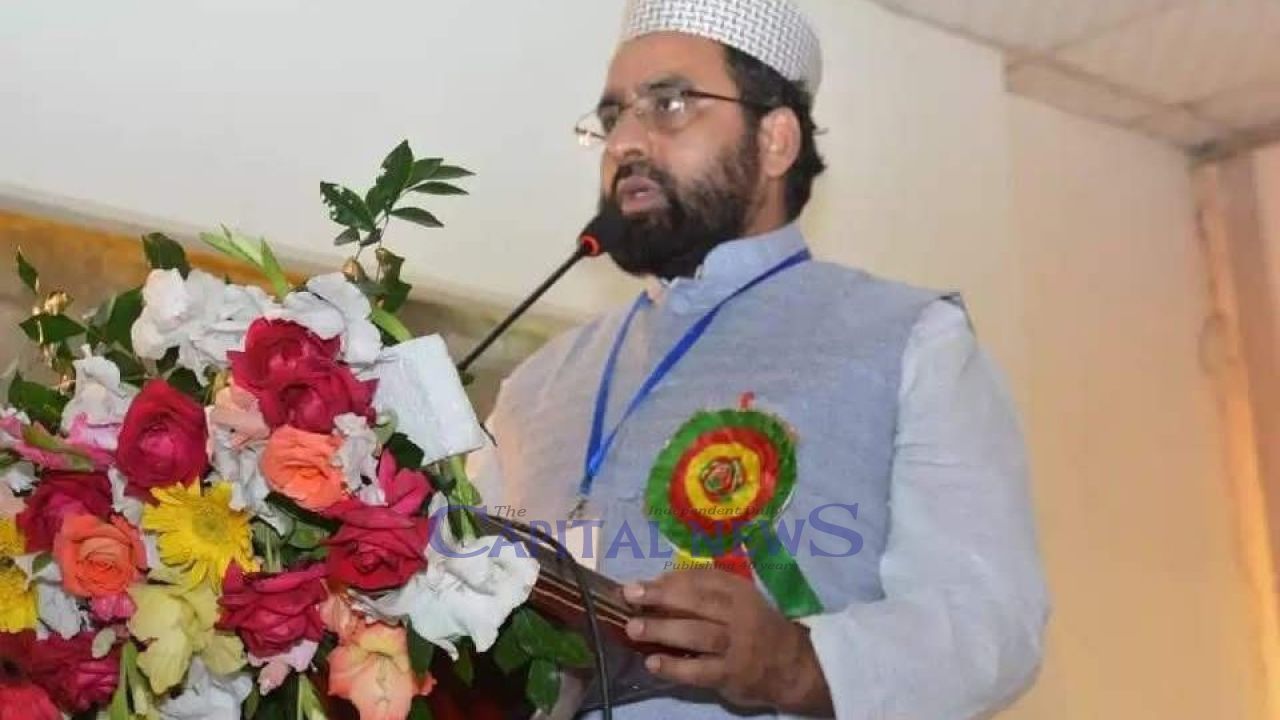
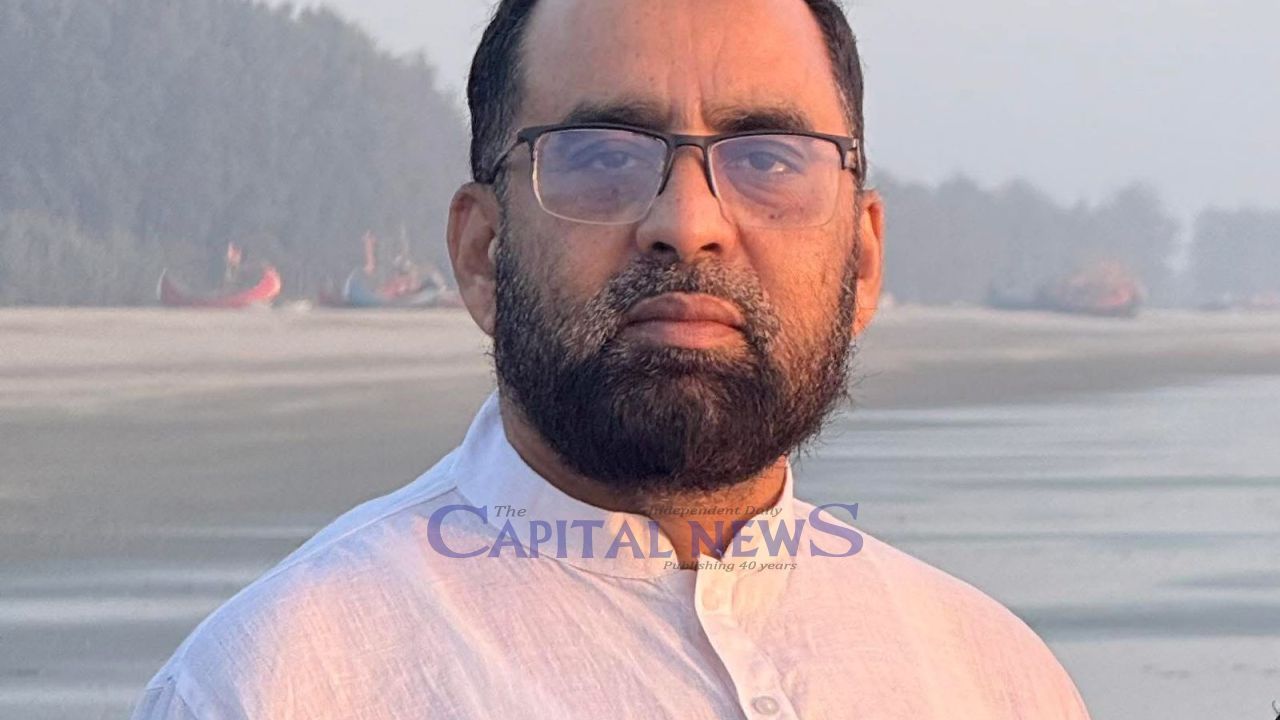
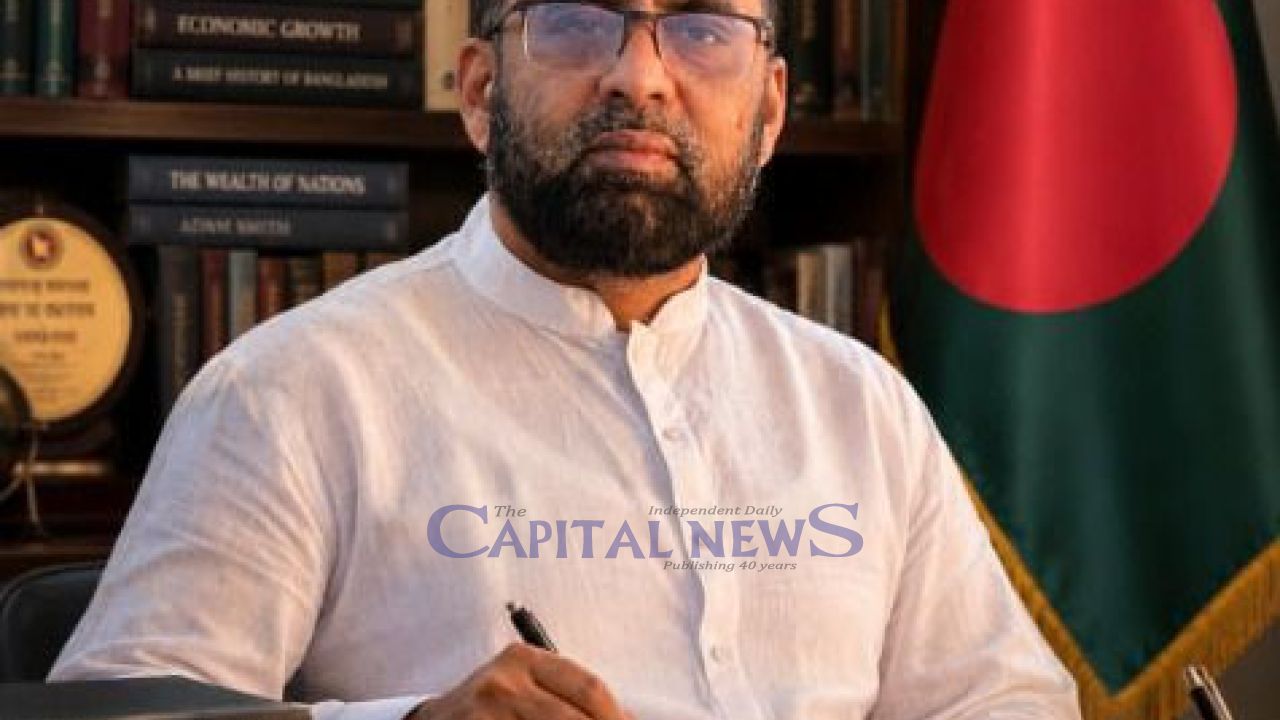
Md. Mukhlesur Rahman
Economist, Social Thinker, and Human Rights Activist
সোমবার, ১৫ জুন ২০২৬
Publish Date : 08 June 2026

Write Your Opinion