

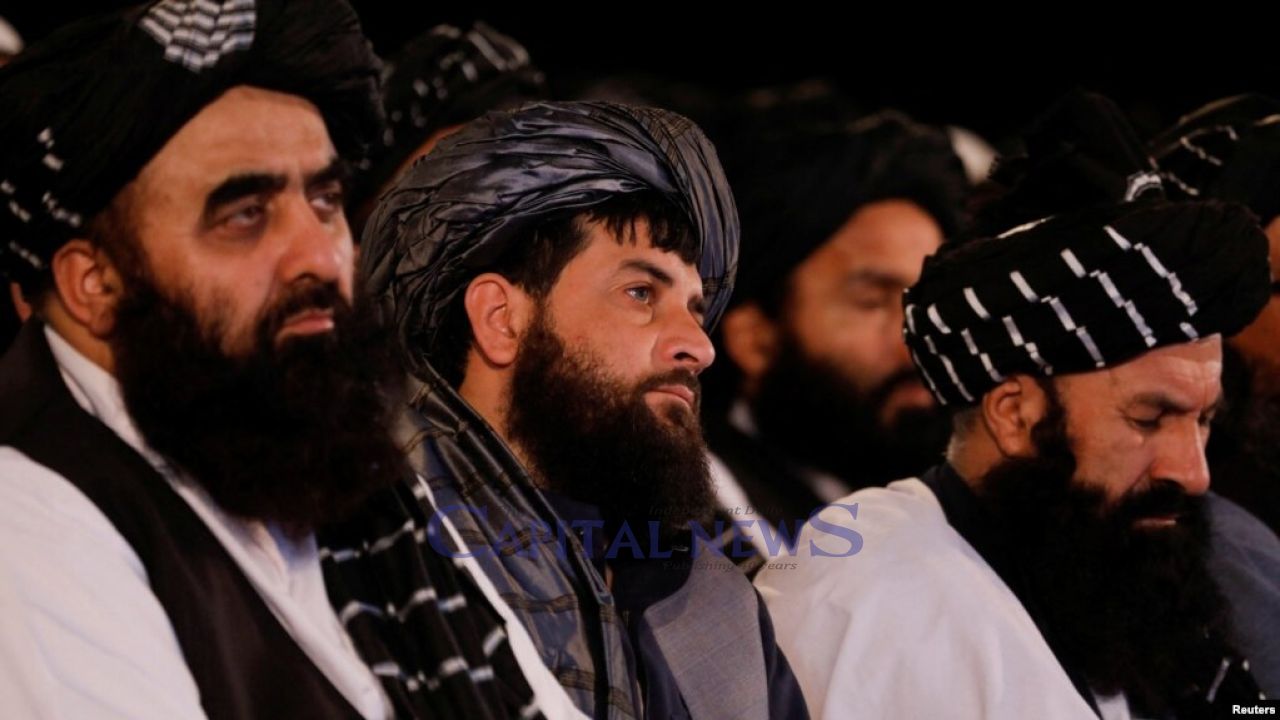
Special Correspondent: In August 2026, the Afghan Taliban will complete five years in rule. Within these five years, they have failed to establish a political and economic governance framework for Afghanistan. Instead of consolidating the gains of the past 20 years in various fields of life, many of the achievements have been reversed. The country's economy remains fragile, political inclusivity is absent and social freedoms have been significantly curtailed.
Most significantly, the Afghan Taliban could not secure recognition from the world, with Russia being the sole exception. This is a major foreign policy failure of the Taliban rulers. Their foreign policy challenges stem from a combination of domestic policies, diplomatic shortcomings and security concerns that continue to isolate Afghanistan regionally and at the global political stage. Here are the core factors shaping and influencing Afghan Taliban's foreign policy:
Strict Stance on Women's Rights: The international community remains deeply concerned about the systematic marginalisation of Afghan women from public life. The EU and the UN have criticised a family law that removes a minimum age for marriage. The EU has raised serious alarms that it normalises child marriage and imposes stricter requirements for women seeking to separate from abusive spouses. Similarly, the European Parliament passed resolutions condemning the new Criminal Procedure Code, which institutionalises the persecution of women through corporal punishment and unequal access to justice. The issue has become symbolic of the broader debate over the Taliban's willingness to adapt to contemporary international norms.
Support for Terrorism: Security concerns due to the presence of terrorist groups have become a central issue in the Afghan Taliban's relations with their neighbours and the rest of the world. A major bone of contention with Pakistan is their support for TTP. The increasing frequency of cross-border attacks has strained relations between the two countries despite their historical ties.
Similarly, China's primary concern revolves around the presence of ETIM operatives inside Afghanistan and the Taliban's inability to purge Afghan soil of such elements despite their commitment under Doha Accord. A joint statement issued by Pakistan's Foreign Minister, Ishaq Dar and his Chinese counterpart, Wang Yi, in December 2025 said, "Terrorist groups operating from Afghanistan continue to pose serious threats to regional and global security."
Their inability to engage international partners, implement meaningful reforms and develop a coherent foreign policy in line with international norms has resulted in missed opportunities that could have reduced Afghanistan's isolation. The Afghan Taliban remain politically isolated despite controlling the entire country for nearly five years. The sidelining of moderate voices, restrictive policies toward women, concerns about support for militant groups, coercive domestic governance and diplomatic inexperience have collectively undermined their quest for international legitimacy. Until these fundamental challenges are addressed, Afghanistan is likely to remain on the margins of international politics, limiting both its economic recovery and its prospects for long-term stability.
শুক্রবার, ১৯ জুন ২০২৬
Publish Date : 18 June 2026


Write Your Opinion