The Daily Capital News

Bangladesh Faces Elevated Measles Risk Amid Vaccination Gaps: WHO Warns

Bangladesh Faces Elevated Measles Risk Amid Vaccination Gaps: WHO Warns

Special Correspondent: The World Health Organization has assessed Bangladesh as being at "high risk" of measles amid a nationwide outbreak driven by significant vaccination gaps.

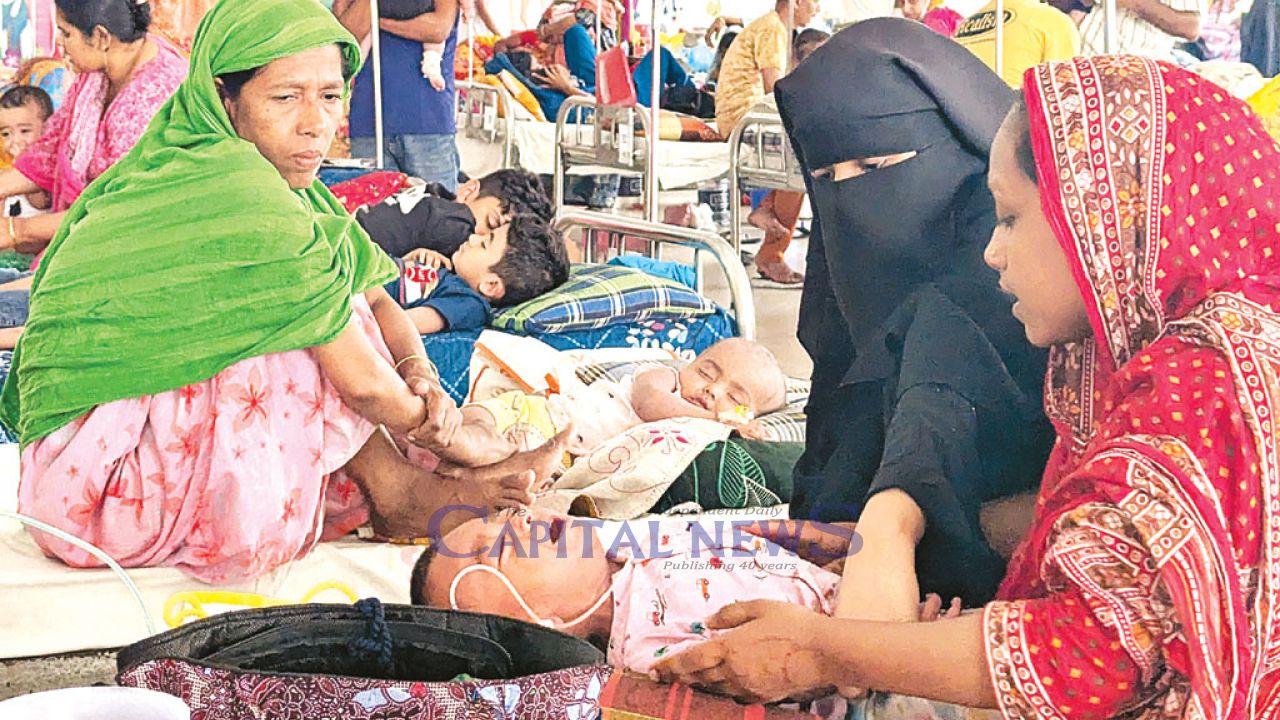
The assessment was made in a report released on Thursday (April 23), as infections spread across 58 of the country's 64 districts, affecting a large number of children and causing measles-related deaths.

According to WHO, the outbreak is occurring in the context of suboptimal population immunity, with most infections found among children who were either unvaccinated or had received only one dose of the measles-containing vaccine.

"Some children were infected before reaching the age of eligibility for vaccination at 9 months. Most cases (91%) occurred among children aged 1 to 14 years, indicating substantial immunity gaps in this age group," the report said.

WHO noted that immunization gaps between 2024 and 2025 have increased the number of susceptible children and contributed to the current outbreak. Bangladesh had previously made significant progress toward measles elimination. Coverage with the first dose of the measles-containing vaccine rose from 89% in 2000 to 118% in 2016, while second-dose coverage increased from 22% in 2012 to 121% in 2024, according to WHO estimates.

During this period, confirmed measles incidence declined sharply. However, recent declines in MR1 and MR2 coverage-caused by a nationwide stockout of measles-rubella vaccines between 2024 and 2025-along with routine immunization gaps and the absence of nationwide supplementary campaigns since 2020, have reversed those gains.

On April 4, 2026, Bangladesh notified WHO of a nationwide surge in measles cases affecting all eight divisions. Between March 15 and April 14, a total of 19,161 suspected cases and 2,897 laboratory-confirmed cases were reported, including 166 suspected deaths (case fatality rate 0.9%) and 30 confirmed deaths (CFR 1.1%).

A total of 12,318 hospital admissions and 9,772 discharges were recorded during the period. The highest number of cases was reported in Dhaka (8,263), followed by Rajshahi (3,747), Chattogram (2,514), and Khulna (1,568). In Dhaka, infections are concentrated in densely populated informal settlements such as Demra, Jatrabari, Kamrangirchar, Korail, Mirpur, and Tejgaon. Children under five account for 79% of reported cases, including 66% under two years and 33% infants below nine months. Most deaths occurred among unvaccinated children under two.

A nationwide measles-rubella vaccination campaign began on April 5, alongside efforts to strengthen surveillance and outbreak response. WHO warned that the outbreak signals a reversal of Bangladesh's progress toward measles elimination and highlights growing vulnerability to sustained transmission.

"Continued spread is likely unless urgent measures are implemented to strengthen surveillance, rapidly detect and respond to cases, and close immunity gaps through high-quality vaccination activities," the report said. The agency recommends maintaining at least 95% coverage with both doses of the measles vaccine, strengthening epidemiological surveillance, and improving case management to prevent hospital-based transmission.

WHO also warned of potential cross-border spread due to population movement, particularly given Bangladesh's proximity to India and Myanmar, and the role of major urban centers as international travel hubs. It advised vaccinating at-risk groups, including healthcare workers, transport and tourism staff, and international travelers, as well as expanding immunization coverage in high-traffic border areas. However, WHO does not recommend any restrictions on travel or trade based on the current situation.

Write Your Opinion

The Daily Capital News

শনিবার, ২৫ এপ্রিল ২০২৬


Bangladesh Faces Elevated Measles Risk Amid Vaccination Gaps: WHO Warns

Publish Date : 25 April 2026

featured Image
Special Correspondent: The World Health Organization has assessed Bangladesh as being at "high risk" of measles amid a nationwide outbreak driven by significant vaccination gaps.The assessment was made in a report released on Thursday (April 23), as infections spread across 58 of the country's 64 districts, affecting a large number of children and causing measles-related deaths.According to WHO, the outbreak is occurring in the context of suboptimal population immunity, with most infections found among children who were either unvaccinated or had received only one dose of the measles-containing vaccine."Some children were infected before reaching the age of eligibility for vaccination at 9 months. Most cases (91%) occurred among children aged 1 to 14 years, indicating substantial immunity gaps in this age group," the report said.WHO noted that immunization gaps between 2024 and 2025 have increased the number of susceptible children and contributed to the current outbreak. Bangladesh had previously made significant progress toward measles elimination. Coverage with the first dose of the measles-containing vaccine rose from 89% in 2000 to 118% in 2016, while second-dose coverage increased from 22% in 2012 to 121% in 2024, according to WHO estimates.During this period, confirmed measles incidence declined sharply. However, recent declines in MR1 and MR2 coverage-caused by a nationwide stockout of measles-rubella vaccines between 2024 and 2025-along with routine immunization gaps and the absence of nationwide supplementary campaigns since 2020, have reversed those gains.On April 4, 2026, Bangladesh notified WHO of a nationwide surge in measles cases affecting all eight divisions. Between March 15 and April 14, a total of 19,161 suspected cases and 2,897 laboratory-confirmed cases were reported, including 166 suspected deaths (case fatality rate 0.9%) and 30 confirmed deaths (CFR 1.1%).A total of 12,318 hospital admissions and 9,772 discharges were recorded during the period. The highest number of cases was reported in Dhaka (8,263), followed by Rajshahi (3,747), Chattogram (2,514), and Khulna (1,568). In Dhaka, infections are concentrated in densely populated informal settlements such as Demra, Jatrabari, Kamrangirchar, Korail, Mirpur, and Tejgaon. Children under five account for 79% of reported cases, including 66% under two years and 33% infants below nine months. Most deaths occurred among unvaccinated children under two.A nationwide measles-rubella vaccination campaign began on April 5, alongside efforts to strengthen surveillance and outbreak response. WHO warned that the outbreak signals a reversal of Bangladesh's progress toward measles elimination and highlights growing vulnerability to sustained transmission."Continued spread is likely unless urgent measures are implemented to strengthen surveillance, rapidly detect and respond to cases, and close immunity gaps through high-quality vaccination activities," the report said. The agency recommends maintaining at least 95% coverage with both doses of the measles vaccine, strengthening epidemiological surveillance, and improving case management to prevent hospital-based transmission.WHO also warned of potential cross-border spread due to population movement, particularly given Bangladesh's proximity to India and Myanmar, and the role of major urban centers as international travel hubs. It advised vaccinating at-risk groups, including healthcare workers, transport and tourism staff, and international travelers, as well as expanding immunization coverage in high-traffic border areas. However, WHO does not recommend any restrictions on travel or trade based on the current situation.

The Daily Capital News

Acting Editor: Md Alamgir Hossian
© 2025 The Daily Capital News